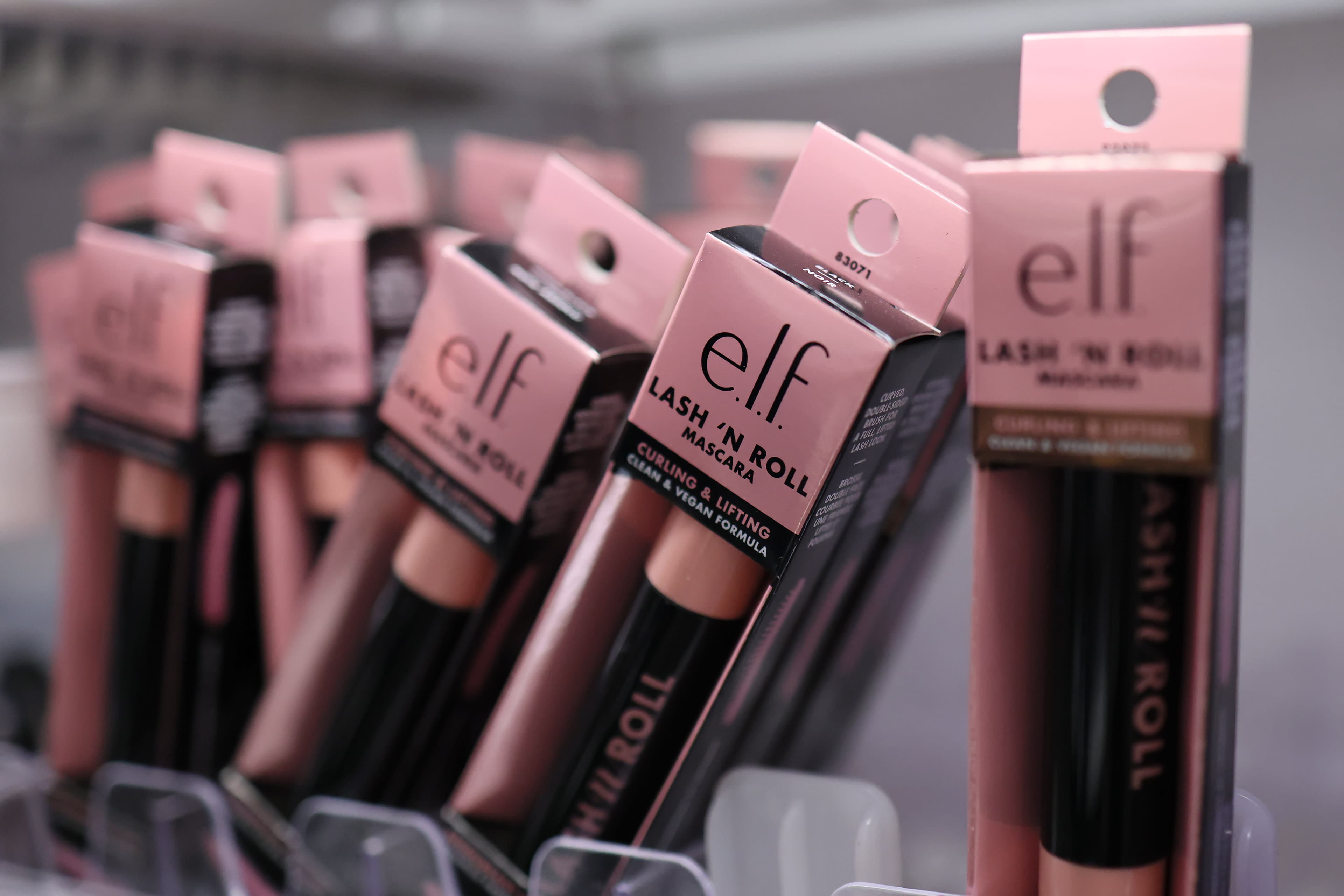
Photo via CNBC Business
E.L.F. Beauty is responding to softening consumer demand by rolling back a portion of the price increases it implemented last August. The company had raised prices by roughly $1 per item to offset tariff costs, but mounting economic headwinds are forcing a strategic pivot to protect its market share.
According to CNBC Business, the beauty company's decision reflects broader retail challenges facing North Carolina and beyond. Consumers are tightening budgets as they contend with elevated gas prices and other inflationary pressures, making discretionary spending categories like cosmetics particularly vulnerable to demand destruction.
The move underscores a delicate balancing act for retailers nationwide. Companies must weigh supply chain costs and tariff impacts against the risk of pricing themselves out of reach for cost-conscious shoppers. E.L.F.'s recalibration suggests that accepting lower margins may be preferable to losing customer traffic entirely in a weakening economic environment.
For Charlotte-area retailers and consumer goods companies, E.L.F.'s strategy offers a case study in real-time pricing decisions. As tariff uncertainty persists and consumer sentiment remains fragile, local business leaders are increasingly focused on competitive positioning—weighing when to absorb costs versus when market conditions allow for price adjustments.