Photo via CNBC Business
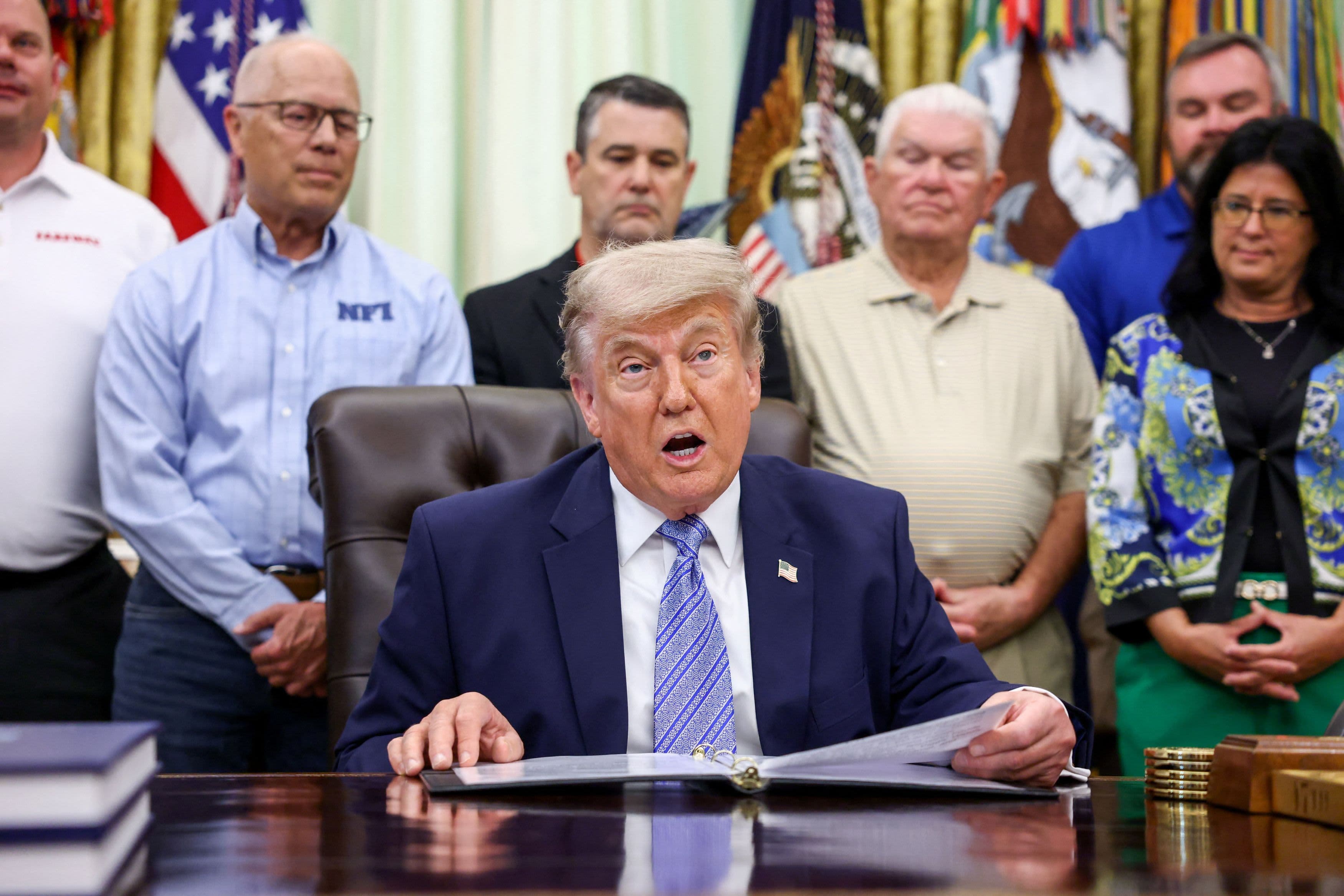
The Trump administration has paused implementation of Biden-era Environmental Protection Agency rules governing refrigerant standards, arguing the delay will reduce operating costs for grocery stores and ultimately lower food prices for consumers. According to CNBC Business, the administration framed the regulatory pause as a cost-saving measure, but the actual impact on grocery store profitability and consumer pricing remains uncertain. For Charlotte-area retailers managing multiple locations across the Carolinas, the regulatory landscape around refrigeration represents a significant operational consideration.
Refrigeration regulations affect how grocery chains and food service businesses maintain their cooling systems, which is a substantial component of operating expenses. The Biden-era rules were designed to phase in more environmentally efficient refrigerants, a transition that some retailers argued would require costly equipment upgrades and ongoing compliance investments. The administration's decision to delay these requirements could reduce near-term capital expenditures for major grocery operators and regional chains serving the Charlotte market.
However, whether those savings translate to lower supermarket prices is far from guaranteed. Retail analysts note that grocery chains often absorb operational cost reductions without passing them directly to consumers, instead directing savings toward profit margins or competitive pricing adjustments. The relationship between regulatory compliance costs and shelf prices remains complex, with numerous factors—supply chain dynamics, labor costs, and local competition—influencing what shoppers actually pay at checkout.
For Charlotte business leaders in retail and food service, the regulatory uncertainty underscores the broader challenge of navigating federal policy shifts that affect operational planning. Companies will need to monitor how the EPA refrigerant rules ultimately develop and consider whether to proceed with planned equipment upgrades or defer investments pending further clarity on federal direction.