Photo via Fortune
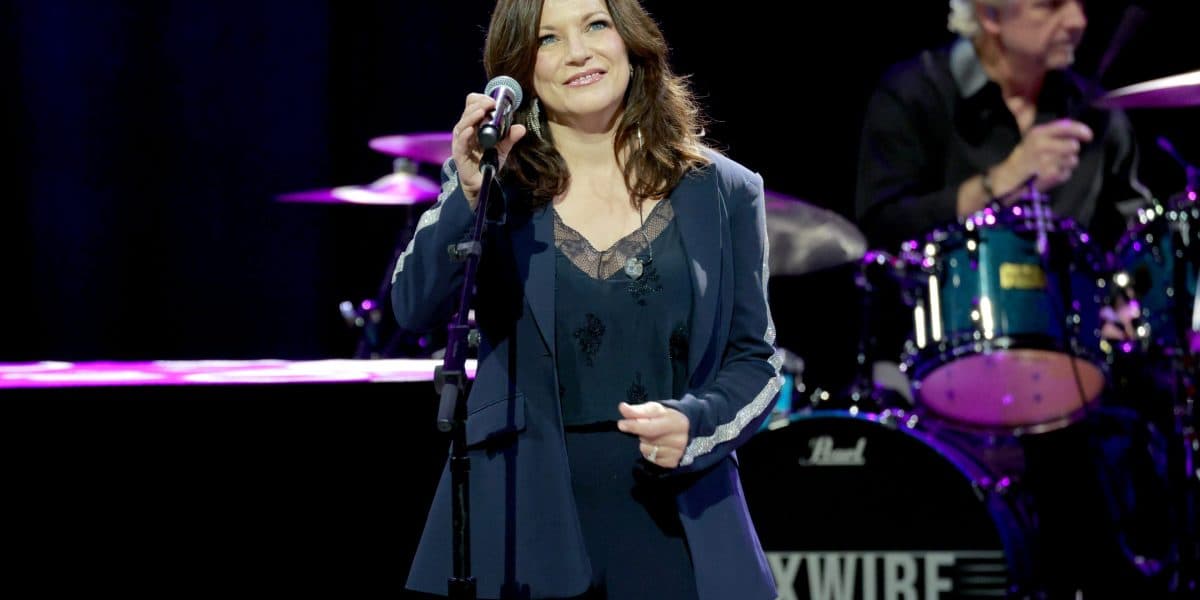
The 'Great American State Fair' experienced a significant public relations crisis last week when multiple headlining musicians withdrew from the lineup, citing misleading communication from organizers. According to Fortune, artists including Bret Michaels, the Commodores, and Martina McBride cited concerns about the event's representation and terms. The exodus of marquee talent created a vacuum that event leadership attempted to fill by recruiting former President Donald Trump as the main attraction—a pivot that raises questions about event planning and artist management practices.
For Charlotte event professionals and hospitality leaders, the state fair debacle underscores the importance of clear contractual language and transparent communication with talent partners. When artists feel misrepresented about event scope, audience expectations, or compensation arrangements, the damage extends beyond individual cancellations to the event's credibility and market reputation. Local venues and event companies should view this situation as a case study in what happens when stakeholder expectations diverge from reality.
The incident also highlights the risks of relying on last-minute celebrity pivots to salvage event momentum. While securing a high-profile replacement might generate headlines, it doesn't address underlying organizational issues that prompted the initial artist departures. Charlotte's growing events industry—from corporate conferences to experiential marketing activations—depends on building sustainable relationships with talent and maintaining operational integrity.
As Charlotte continues to develop its reputation as a premier events destination, local organizers should prioritize proactive communication, detailed agreements, and realistic timeline planning. The state fair situation demonstrates that short-term fixes rarely substitute for foundational event management discipline. Transparency with performers and attendees ultimately protects an organization's long-term brand and market position.