Photo via FreightWaves
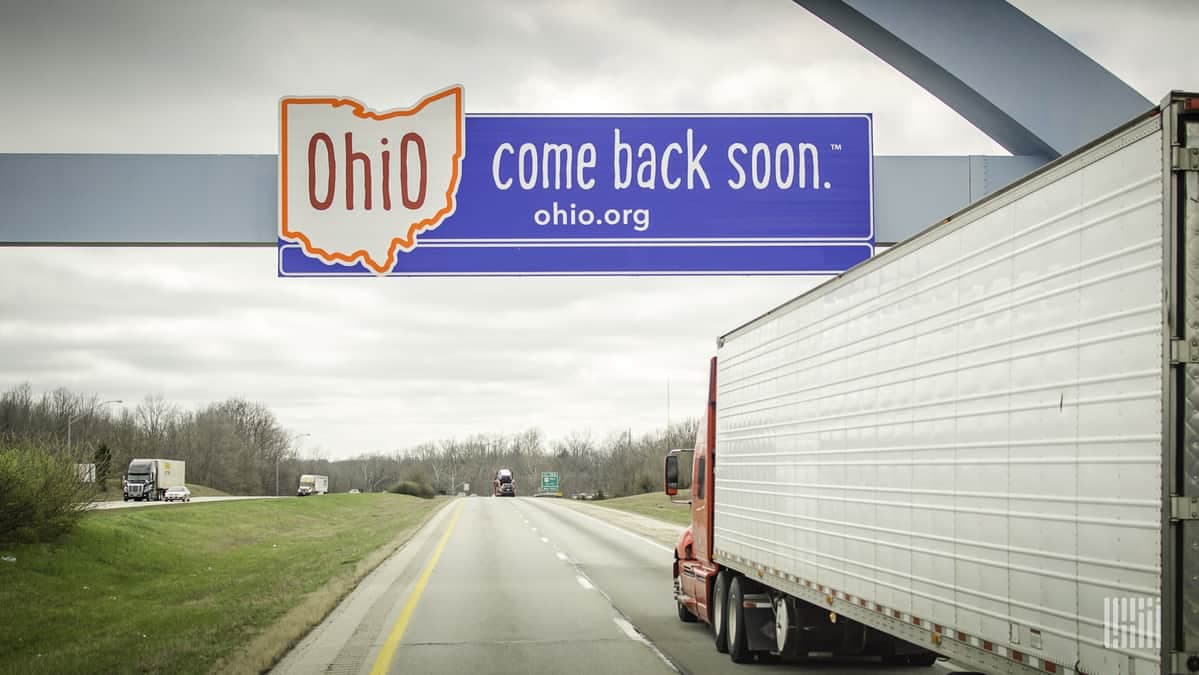
Ohio is undertaking a comprehensive review of approximately 5,000 commercial driver licenses held by nonresidents, according to FreightWaves. The initiative represents part of a broader federal compliance effort aimed at tightening regulations around commercial driver qualifications across the country, signaling a shift toward more rigorous enforcement standards.
This nationwide crackdown on CDL compliance reflects federal concerns about ensuring that drivers meet uniform safety and licensing standards regardless of where they establish residency. The reviews are designed to verify that nonresident CDL holders maintain proper qualifications and adhere to current regulatory requirements, potentially closing gaps in the current oversight system.
For Charlotte's thriving logistics and transportation hub—which includes major distribution centers and freight operations—these compliance changes warrant close attention. Companies operating fleets or contracting with drivers across state lines may face increased documentation requirements and verification procedures as federal standards tighten.
Business leaders in Charlotte's supply chain and transportation sectors should monitor how these compliance changes evolve and consider reviewing their driver management practices accordingly. Staying ahead of regulatory shifts can help local companies avoid potential penalties while maintaining operational efficiency in an increasingly stringent compliance environment.