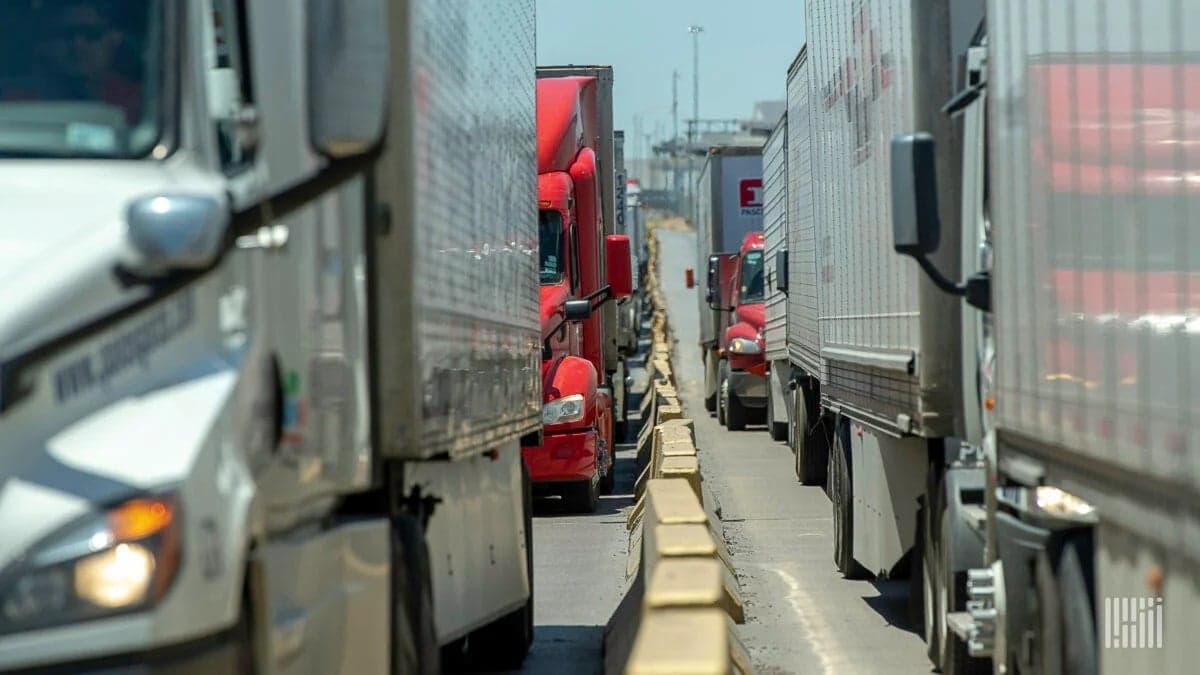
Photo via FreightWaves
U.S. Border Patrol has intensified enforcement efforts targeting commercial drivers' immigration and licensing status. According to FreightWaves, a five-day operation in Arizona resulted in 36 truck driver arrests, signaling a broader federal focus on transportation workforce compliance.
The enforcement action reflects growing pressure on federal agencies to verify driver documentation and work authorization across the trucking industry. For Charlotte-area logistics companies and freight operators, this development may necessitate stricter internal compliance protocols and heightened vetting procedures for hiring and contractor management.
The Queen City's substantial logistics and distribution hub operations—including major warehousing facilities and trucking operations—could face operational adjustments as companies ensure full regulatory compliance. Transportation firms may need to invest in enhanced background checking systems and documentation verification processes to avoid potential disruptions.
Industry stakeholders should monitor ongoing federal enforcement trends and consult legal counsel regarding compliance best practices. Companies operating across state lines or managing large driver fleets are particularly advised to conduct internal audits of employment documentation and licensing verification to mitigate regulatory risk.