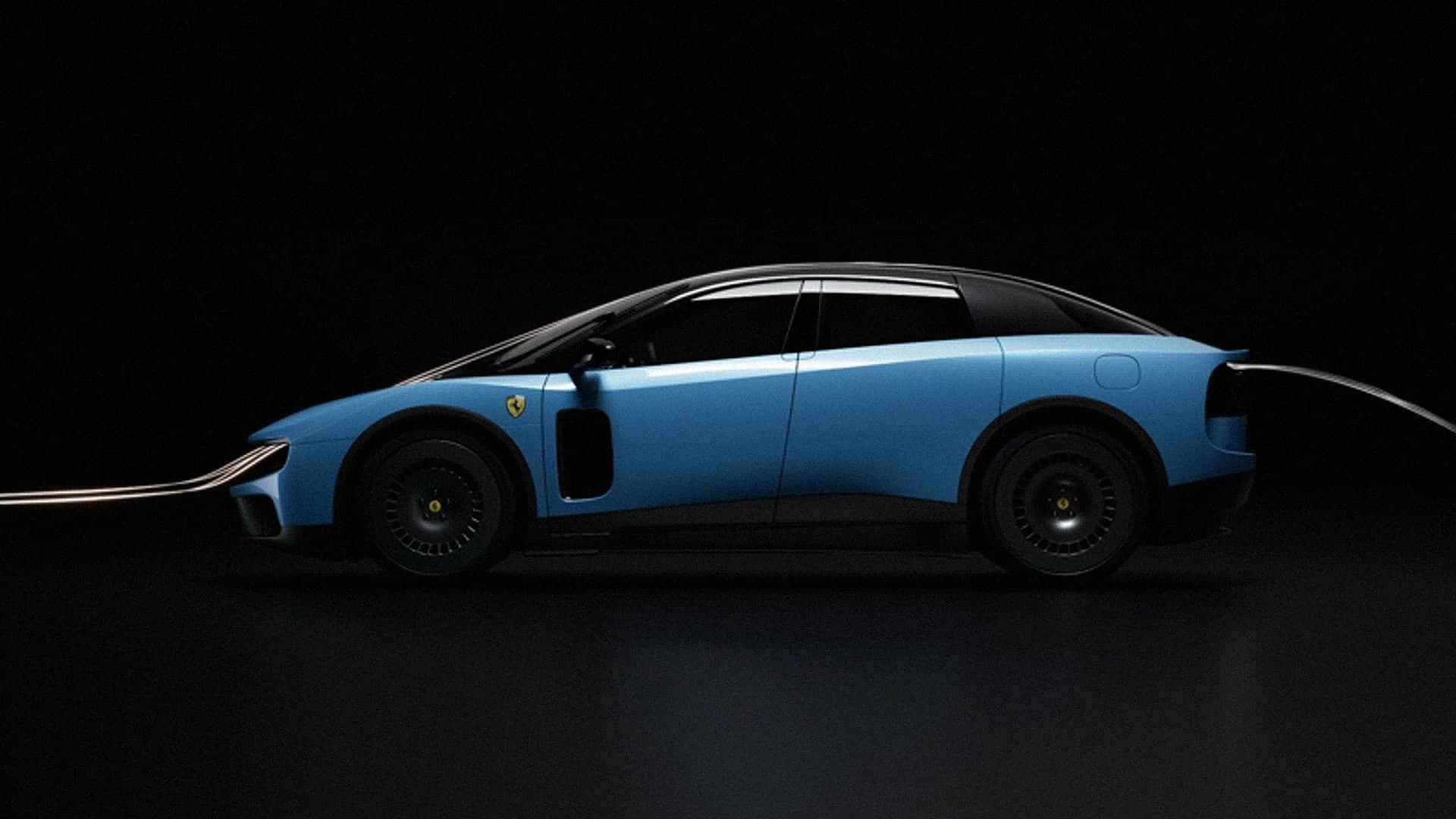
Photo via Inc.
According to Inc., Ferrari's entry into the electric vehicle market with the Luce model has raised questions about strategic fit. The luxury automaker's pivot toward EVs, while necessary for industry evolution, demonstrates how easily a brand can stumble when new products don't resonate with customer identity. For Charlotte-area business leaders—whether in manufacturing, retail, or professional services—this case offers a sobering reminder about the importance of strategic alignment.
Customers don't simply buy products; they buy into the stories and values those products represent. Ferrari has spent decades cultivating an image of raw performance, mechanical excellence, and combustion-engine heritage. When a brand launches something that contradicts that established identity, customers feel the disconnect viscerally. The Luce may be technologically advanced, but if it doesn't feel authentically Ferrari to longtime enthusiasts, the emotional connection fractures. This principle applies equally to Charlotte companies repositioning themselves in competitive markets.
The lesson extends beyond luxury goods to any organization experiencing industry disruption. Whether you're a regional logistics firm adopting automation, a healthcare provider implementing new technology, or a local manufacturer shifting product lines, the fundamental question remains: Does this change make sense within our brand promise? Failing to answer that question thoughtfully can alienate your core customer base while failing to attract new segments who question your authenticity.
For Charlotte business leaders navigating their own transformations, the Ferrari case underscores a critical principle: innovation must enhance brand identity, not replace it. Before launching a new product, entering a new market, or pivoting your business model, ask whether your customers will see it as a natural evolution or a betrayal of what they valued about your company in the first place.