Photo via FreightWaves
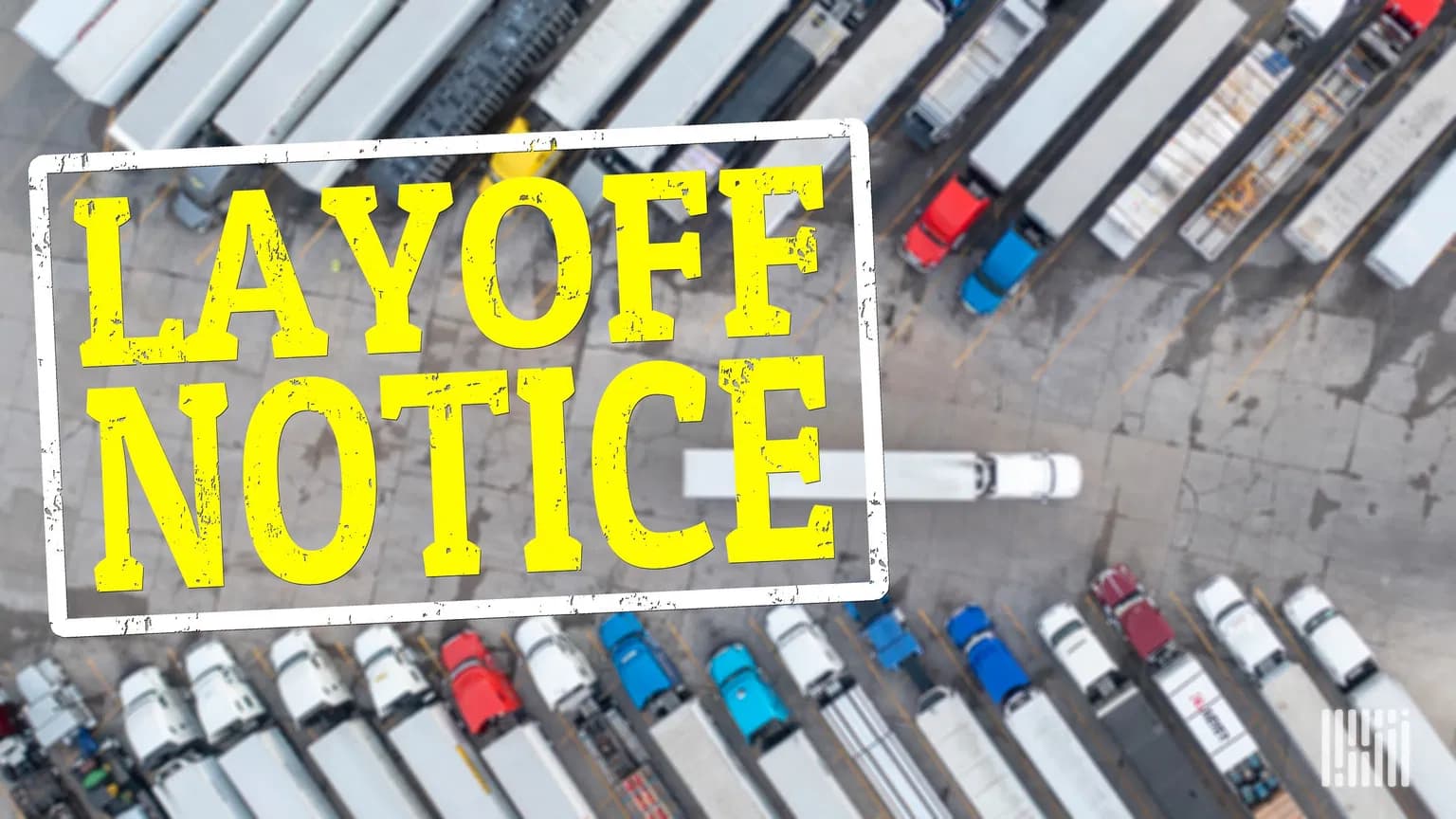
The freight and logistics industry is experiencing persistent financial strain despite emerging signals of market stabilization. According to FreightWaves, recent bankruptcy filings and Worker Adjustment and Retraining Notification (WARN) notices indicate that carriers across the country are still grappling with compressed profit margins, with layoffs exceeding 600 positions in recent months.
For Charlotte-area businesses dependent on transportation and supply chain services, the ongoing distress in freight markets underscores the challenges facing a critical regional industry. The Queen City's significant logistics sector, anchored by major distribution centers and transportation companies, remains vulnerable to the sector-wide pressures that are forcing consolidation and workforce reductions.
The disconnect between market recovery signals and actual financial performance suggests that many freight companies have not yet reached sustainable profitability. Rising operational costs, competitive pricing pressures, and capacity imbalances continue to weigh on carriers despite improved freight demand and shipping volumes.
Local supply chain professionals and business leaders should monitor freight industry developments closely, as continued distress in this sector could impact everything from transportation costs to delivery timelines. The broader question for Charlotte's economy is whether stabilization will arrive quickly enough to prevent further consolidation among regional carriers and logistics providers.