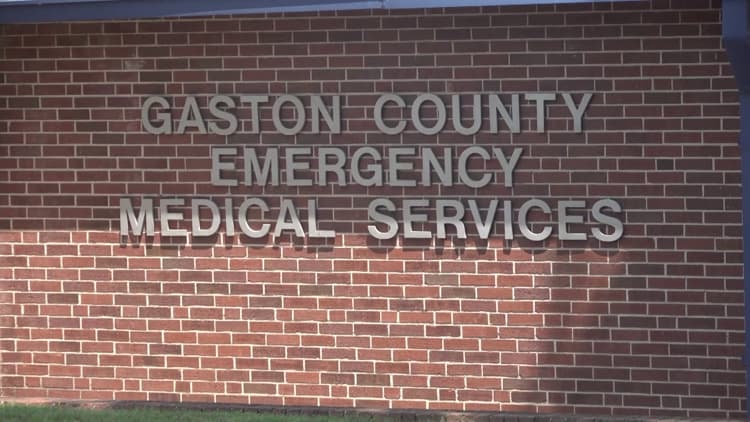
Photo via WCNC Charlotte
Gaston County EMS has invested $300,000 in a specialized Crisis Intervention Unit designed to better equip first responders with the training and protocols needed to handle mental health and behavioral emergencies. According to WCNC Charlotte, the program focuses on connecting individuals in crisis with appropriate resources rather than relying solely on traditional emergency response methods. This initiative reflects a broader regional shift toward recognizing mental health emergencies as distinct from purely medical crises.
The program's emphasis on responder training addresses a critical gap in emergency services across the Charlotte region. As businesses and municipalities grapple with workforce challenges and public safety concerns, specialized crisis response units can reduce unnecessary hospitalizations, lower law enforcement burden, and improve outcomes for vulnerable populations. For Charlotte-area employers and community leaders, such programs demonstrate how targeted investment in emergency response infrastructure can yield measurable benefits across public health and social services sectors.
The Gaston County model may serve as a template for other jurisdictions in the greater Charlotte metropolitan area considering similar interventions. As demand for mental health services continues to rise across North Carolina, communities that develop these coordinated response systems may find themselves better positioned to support both resident wellbeing and business continuity. The success of this unit could influence how other Piedmont-region counties approach emergency services modernization.