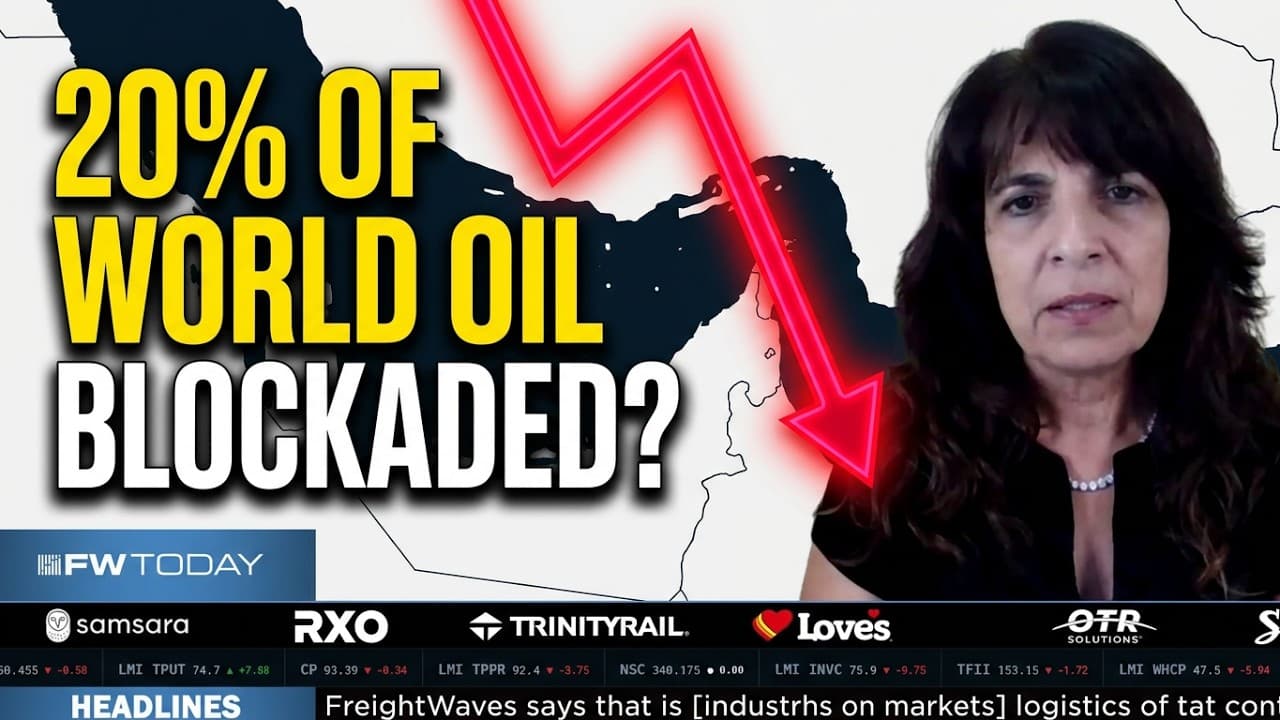
Crude oil prices have climbed over the past week as escalating Middle East tensions weigh on market sentiment. According to analysis of the energy sector, physical market indicators are flashing signs of supply tightness despite recent analyst warnings of an impending global oversupply. The situation marks a sharp reversal from earlier forecasts that predicted an abundance of crude as maritime traffic through critical chokepoints normalized.
Earlier in the month, energy analysts had grown confident in projections of ample supply, citing a brief ceasefire between major regional powers that allowed Strait of Hormuz shipping lanes to recover significantly. That optimism proved premature, however, as diplomatic efforts unraveled and hostilities resumed—surprising many forecasters who had already begun adjusting their outlooks toward lower prices.
The renewed geopolitical uncertainty has reset market expectations, with traders now bracing for sustained crude prices at elevated levels. This environment underscores how quickly energy markets can shift when supply-chain risks resurface, particularly in regions that handle a substantial portion of global petroleum flows.