Photo via Inc.
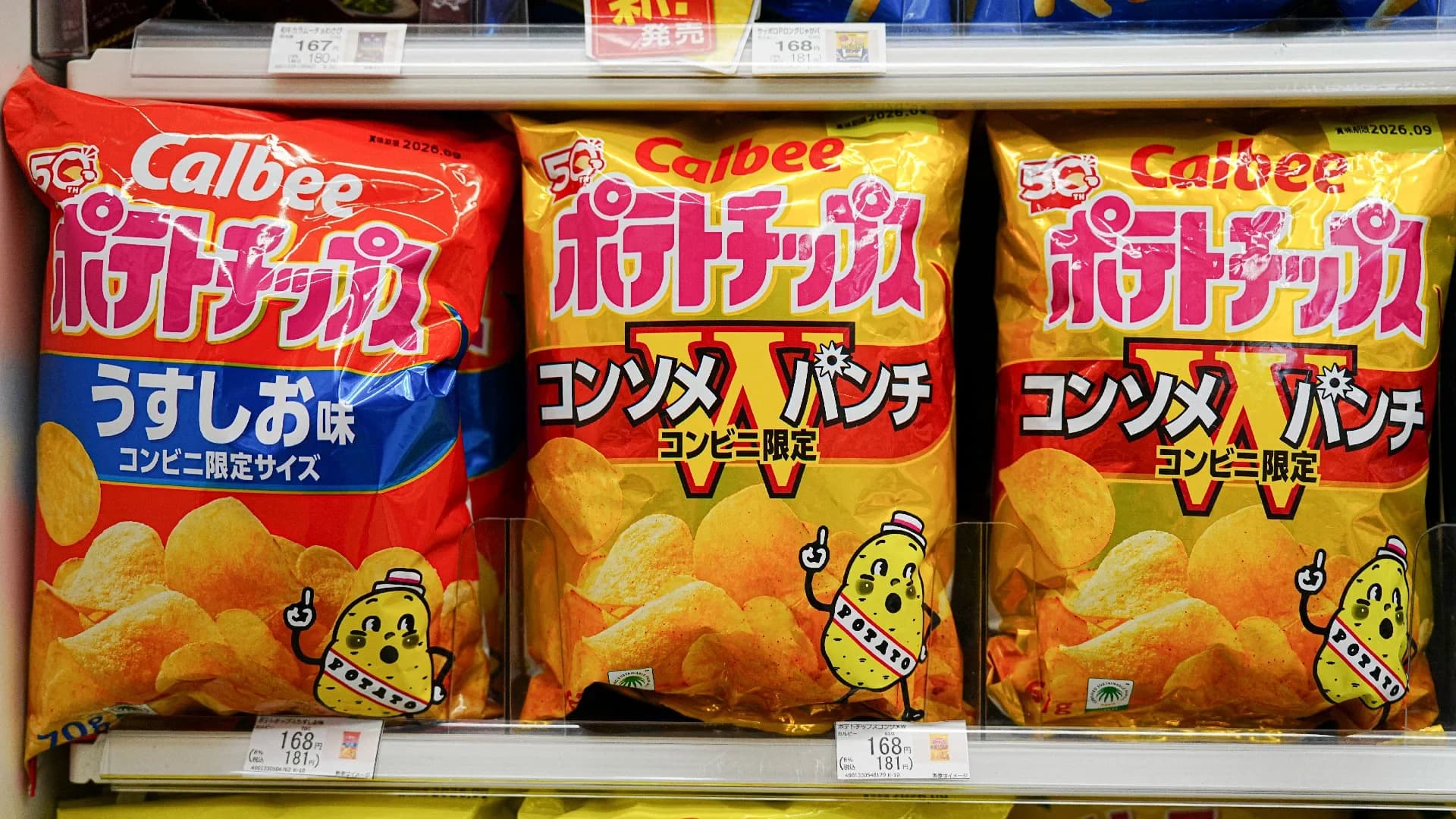
According to Inc., Japan's leading snack manufacturer Calbee is making a significant shift to its product packaging strategy due to supply chain pressures tied to geopolitical disruptions in the Strait of Hormuz. The company, known for its vibrant and distinctive chip bag designs, is transitioning several of its bestselling products to monochrome packaging—a visible acknowledgment that global logistics challenges are forcing even established brands to adapt quickly.
The Strait of Hormuz blockade has created widespread material shortages affecting manufacturers worldwide, including companies that source components or packaging materials from regions dependent on trade routes through the waterway. For Charlotte-area manufacturers and retailers who depend on imported goods or just-in-time supply chains, Calbee's pivot demonstrates how quickly disruptions can cascade through global commerce and impact household-name brands.
This situation underscores a critical lesson for regional businesses: supply chain resilience has become as important as product quality. Companies across industries—from food manufacturing to consumer goods—are reassessing their sourcing strategies and inventory management to weather geopolitical volatility. The changes at Calbee, while cosmetic to consumers, represent substantial operational and financial adjustments behind the scenes.
For Charlotte's business community, the Calbee case study highlights the interconnected nature of modern commerce. Even companies selling primarily in their home markets face pressure from global disruptions. Local leaders should consider how their own supply chains might be vulnerable to similar shocks and whether their contingency planning accounts for extended disruptions in critical shipping lanes or manufacturing regions.