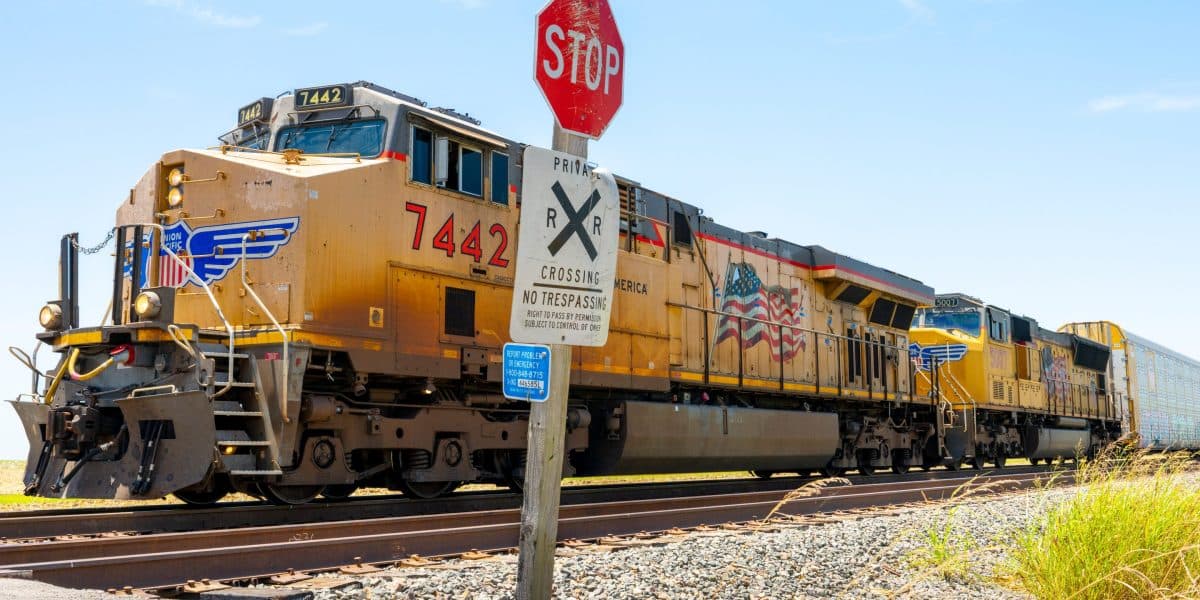
Photo via Fortune
The incoming Trump administration has proposed an unconventional approach to a major railroad consolidation: taking a 15% equity stake in the deal. According to Fortune, while specific companies weren't named in the initial proposal, the only active railroad merger in the pipeline is Union Pacific's acquisition of Norfolk Southern—a transaction that would fundamentally reshape rail infrastructure across North America.
For Charlotte-area businesses, the implications are substantial. Charlotte's position as a major logistics and distribution hub means any consolidation affecting rail networks directly impacts local supply chain operations, from retail distribution centers to manufacturing facilities. The region's growing freight and intermodal sectors depend heavily on efficient rail access, making this merger a matter of local economic importance.
The federal government stake would be unusual for such a transaction and raises questions about regulatory strategy and long-term railroad industry structure. A government ownership position could influence operational decisions, pricing, and service routes—factors that affect every company relying on rail freight in the Southeast. Industry observers are watching whether this approach signals a broader shift in how Washington views critical transportation infrastructure.
The merger's ultimate approval and structure remain uncertain, but Charlotte's business community should monitor developments closely. Any changes to rail service efficiency, pricing, or regional routing could ripple through local logistics operations, manufacturing supply chains, and distribution networks that fuel the regional economy.