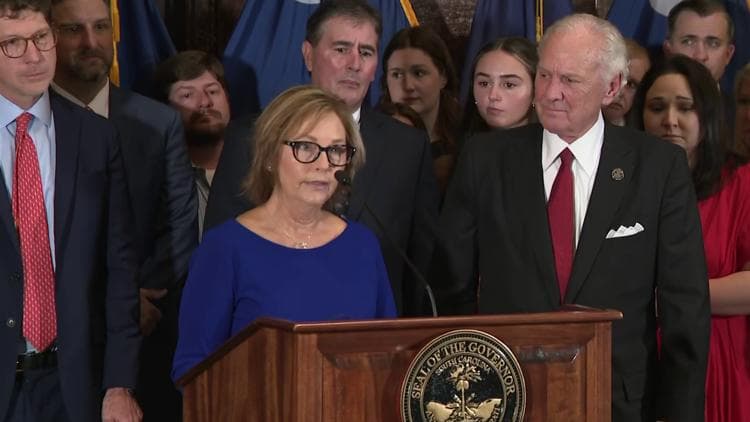
Photo via WCNC Charlotte
As South Carolina voters head to the polls this week, the Senate race underscores the broader political realignment affecting the Southeast business landscape. According to WCNC Charlotte, candidate Darline Graham is campaigning on her experience and family political legacy while leveraging a high-profile presidential endorsement. For Charlotte-area business leaders monitoring regulatory trends across neighboring states, the outcome could influence tax policy, labor regulations, and business-friendly legislation that often ripples across state lines in the Carolinas region.
Graham's campaign strategy emphasizes established credentials and insider connections—messaging that appeals to business-minded voters concerned with consistent governance and experience navigating complex legislative processes. The Trump endorsement carries particular weight among voters prioritizing pro-business policies and deregulation. These voter priorities reflect broader themes affecting how corporations evaluate relocation and expansion opportunities in the Carolinas, where political stability and favorable business climates compete as key decision factors.
For Charlotte's business community, South Carolina's election results matter because neighboring state policies directly impact regional competitiveness. Banking, manufacturing, logistics, and real estate sectors operating across both Carolinas must track how new Senate representation shapes interstate commerce conditions, workforce development funding, and infrastructure investment. The outcome Tuesday will help clarify the political direction of one of the Southeast's key economic corridors.