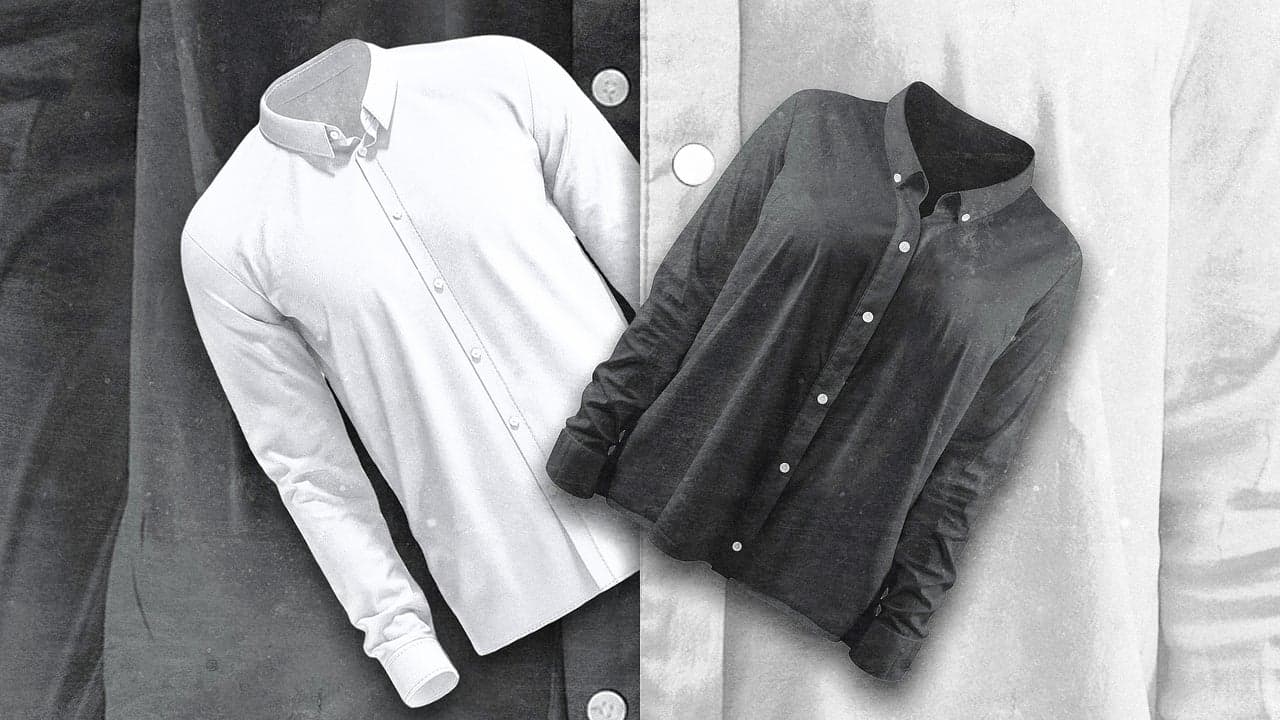
Photo via Fast Company
The next time you shop at a Charlotte-area retailer, take a closer look at a basic item: the placement of buttons or zippers on men's versus women's clothing. This subtle design detail isn't arbitrary—it's a legacy of centuries-old conventions rooted in European aristocracy and industrial manufacturing practices. According to fashion design experts, understanding these origins offers valuable insight into how tradition influences product design and consumer behavior in modern retail.
The divergence traces back to class distinctions in wealthy European households. Noblewomen's elaborate garments required assistance to fasten, so buttons were positioned on the left side to accommodate a maid's dominant right hand when dressing her employer from the front. Men's clothing, by contrast, was designed for independent dressing, with buttons on the right side for the wearer's convenience. Some historians also link men's fastening patterns to military traditions, where sword placement and fabric management influenced garment construction.
Once the apparel industry shifted to factory production in the 1800s, these conventions became standardized for efficiency. When zippers gained popularity in the early 1900s, manufacturers simply replicated the established button-placement traditions rather than rethinking the design. This pattern persistence demonstrates how industrial standardization can lock in historical practices long after their original purpose disappears—a phenomenon relevant to any Charlotte business managing product design at scale.
Today's market is shifting. Growing demand for gender-neutral and unisex clothing reflects changing consumer values and a willingness to abandon outdated conventions. For Charlotte retailers and manufacturers, this trend signals an opportunity: consumers increasingly expect functional, inclusive design choices over inherited traditions. The lesson is clear—questioning established practices can reveal new competitive advantages in a market that values innovation and inclusivity.
This article draws from research by fashion historians at Mississippi State University, originally published by The Conversation.