Photo via WCNC Charlotte
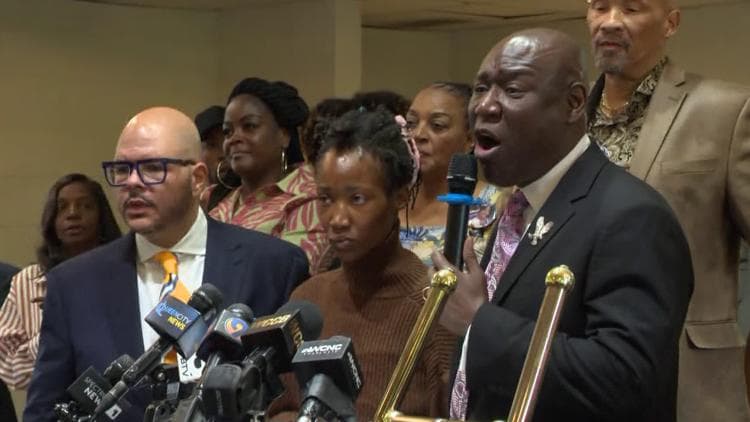
Prominent civil rights attorney Ben Crump has announced he is representing Cherrie Moore in connection with a May 29 arrest by a Shelby police officer, according to WCNC Charlotte. Crump's involvement elevates the profile of the case and signals a potential legal fight ahead for the officer and the department.
Crump characterized the arrest as emblematic of broader failures within law enforcement training and departmental policy. According to the report, Moore's medical records have been forwarded to the State Attorney's office, suggesting the case may involve questions about the officer's handling of a potentially vulnerable individual.
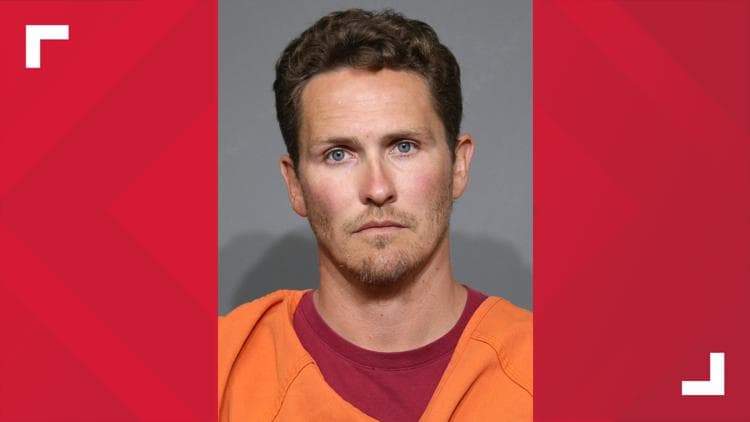
The civil rights attorney has pledged to pursue additional charges beyond those already filed against the officer, who has since been terminated from the department. This escalation reflects a national trend of high-profile legal representation in police conduct cases, which carries implications for municipal liability and training standards.
For the Charlotte region, the case underscores ongoing conversations about police accountability and training protocols that affect communities across the Carolinas. As local governments and law enforcement agencies continue to evaluate their practices, cases like Moore's may influence policy discussions and risk management strategies among agencies in the greater Charlotte area.