Photo via FreightWaves
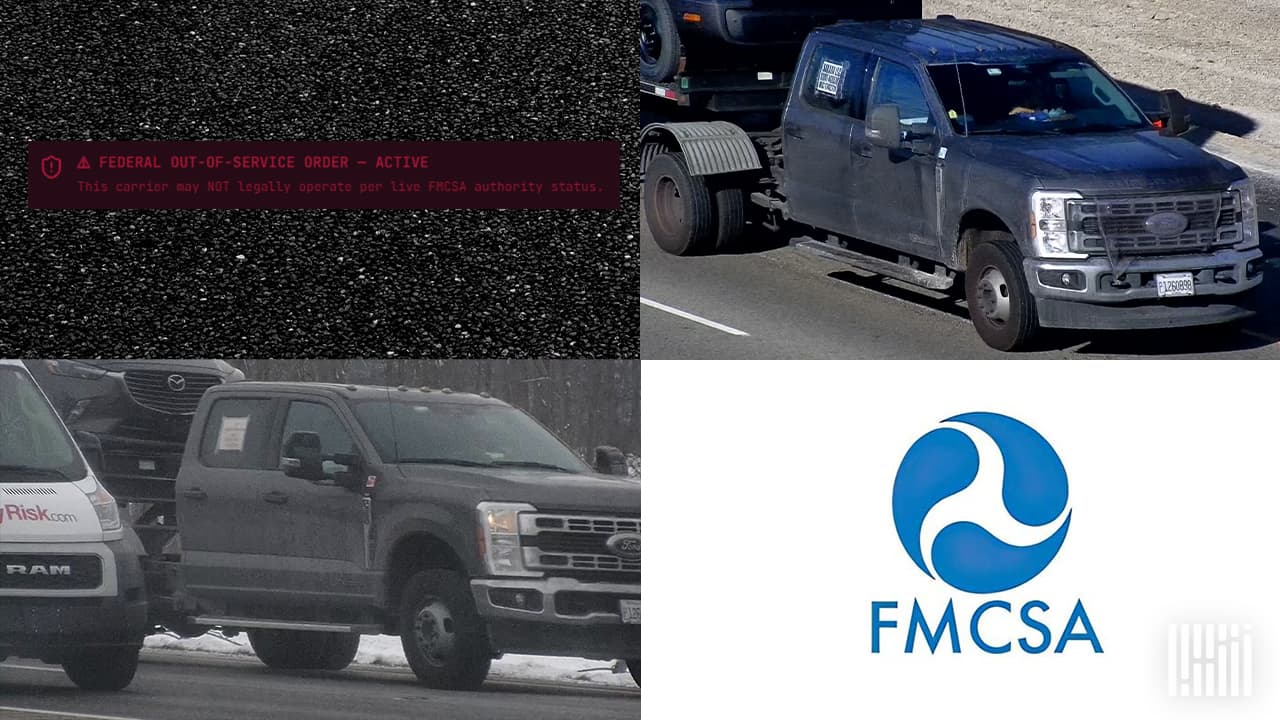
According to FreightWaves, a notable shift is underway in the trucking industry as enforcement mechanisms tighten around traditional long-haul operations. Rather than exiting the market, operators with marginal safety and compliance records are pivoting toward hotshot trucking and auto transport—segments characterized by smaller vehicles, lighter regulatory oversight, and lower insurance requirements.
For Charlotte's logistics and transportation sector, this trend carries significant implications. The region's established trucking companies and freight operators must contend with an influx of less-scrupulous competitors who can undercut pricing by operating outside the same compliance frameworks. This creates pressure on legitimate businesses to compete while maintaining safety and regulatory standards.
Hotshot trucking—typically involving smaller, faster deliveries using pickup trucks and small trailers—has traditionally operated with fewer DOT inspections than heavy-duty long-haul trucking. The lower barriers to entry and reduced operational costs make these segments attractive to operators unwilling or unable to meet stringent safety requirements.
For established transportation companies and shippers in the Carolinas, the emergence of these 'ghost fleets' raises questions about supply chain integrity and risk management. Industry stakeholders should monitor regulatory developments and consider how tighter enforcement in less-regulated segments could reshape the competitive landscape.