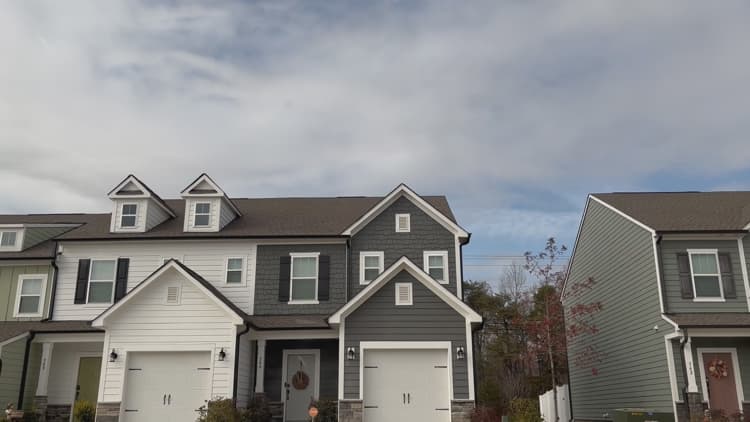
Photo via Fortune
Spain is facing a housing affordability crisis that should capture the attention of Charlotte real estate professionals and policymakers. According to Fortune, housing costs in Spain surged 13% last year, driven by tourism booms, short-term rental platforms, and a shortage of long-term rental inventory. Prime Minister Pedro Sánchez attempted to address the crisis with a €7 billion intervention plan, but a proposed rent-freeze bill failed to pass Parliament, leaving thousands of residents and renters without legislative relief.
The disconnect between housing supply and demand in Madrid mirrors challenges emerging in growth markets across the United States, including Charlotte. When tourism and investor capital flood local real estate markets, longtime renters and working professionals are priced out, threatening community stability and workforce retention. Charlotte's rapid growth as a business hub has similarly strained the rental market, making housing affordability an increasingly pressing concern for employers seeking to attract and retain talent.
The failed Spanish rent-freeze illustrates the complexity of government intervention in housing markets. While price controls aim to protect renters, they can discourage new construction and investment in rental properties—potentially worsening shortages long-term. This debate is increasingly relevant to Charlotte's business community, where real estate developers, landlords, and employers all have competing interests in shaping the region's housing landscape.
For Charlotte business leaders, the Madrid case underscores the importance of proactive, market-driven solutions to housing affordability. Rather than relying solely on regulatory mandates, successful markets often combine zoning reform, incentives for diverse housing types, and public-private partnerships. As Charlotte continues its economic expansion, addressing housing supply and affordability now may prevent the political and social friction already emerging in European growth centers.