Photo via Fortune
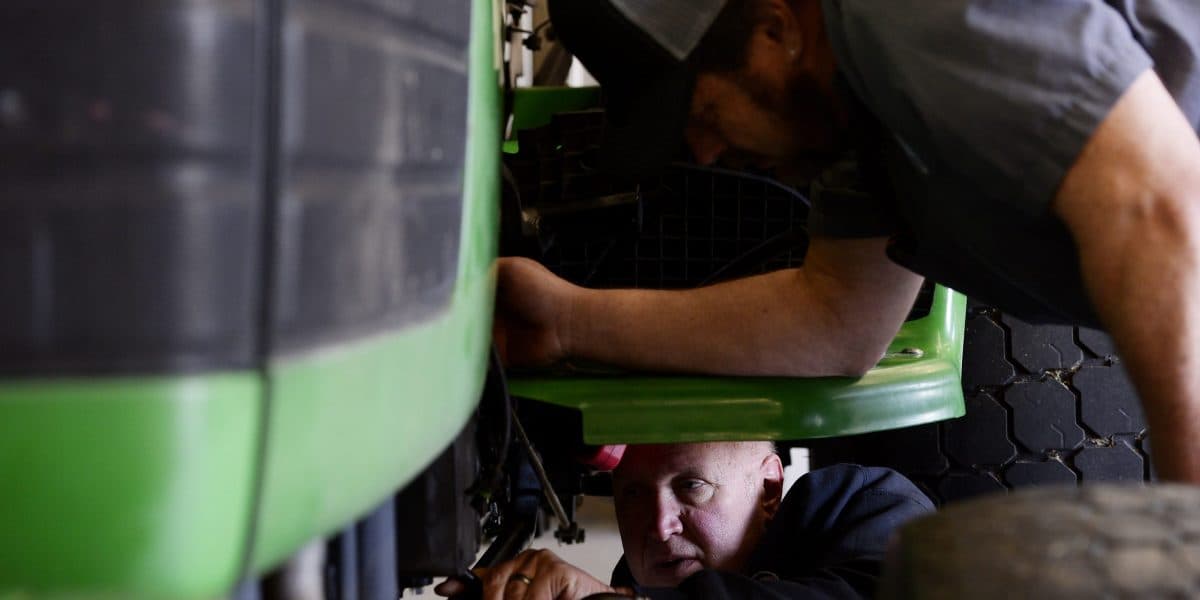
What began as Hollywood's effort to prevent VCR piracy has evolved into an unexpected constraint on agricultural equipment ownership. According to Fortune, the 1998 Digital Millennium Copyright Act (DMCA) inadvertently granted manufacturers like John Deere legal authority to prevent farmers from accessing and repairing their own tractors. The law's anti-circumvention provisions, designed to protect copyrighted content in digital media, created a legal framework that equipment makers have extended to lock down the software embedded in modern machinery.
The implications extend far beyond farming. Manufacturers across industries—from consumer electronics to medical devices—have leveraged DMCA protections to restrict access to repair manuals, diagnostic tools, and replacement parts. This creates a business model where companies can mandate that customers use only authorized service centers, effectively controlling the aftermarket repair ecosystem. For Charlotte-area businesses relying on equipment and machinery, this legal landscape means reduced flexibility in maintenance budgeting and dependency on manufacturer-approved vendors.
The right-to-repair movement has gained momentum among farmers, consumers, and independent repair shops frustrated by these restrictions. Legislative efforts in several states aim to clarify that purchasing equipment includes the right to repair it without legal jeopardy. Industry advocates argue that restricting repairs not only increases consumer costs but also threatens supply chains by limiting repair capacity during critical periods.
As digital components become standard in manufactured goods—from tractors to HVAC systems to industrial equipment—the tension between intellectual property protection and practical ownership rights will likely intensify. Business leaders and policymakers face growing pressure to reconsider how copyright law should apply to physical products, particularly those essential to agriculture, manufacturing, and small business operations.