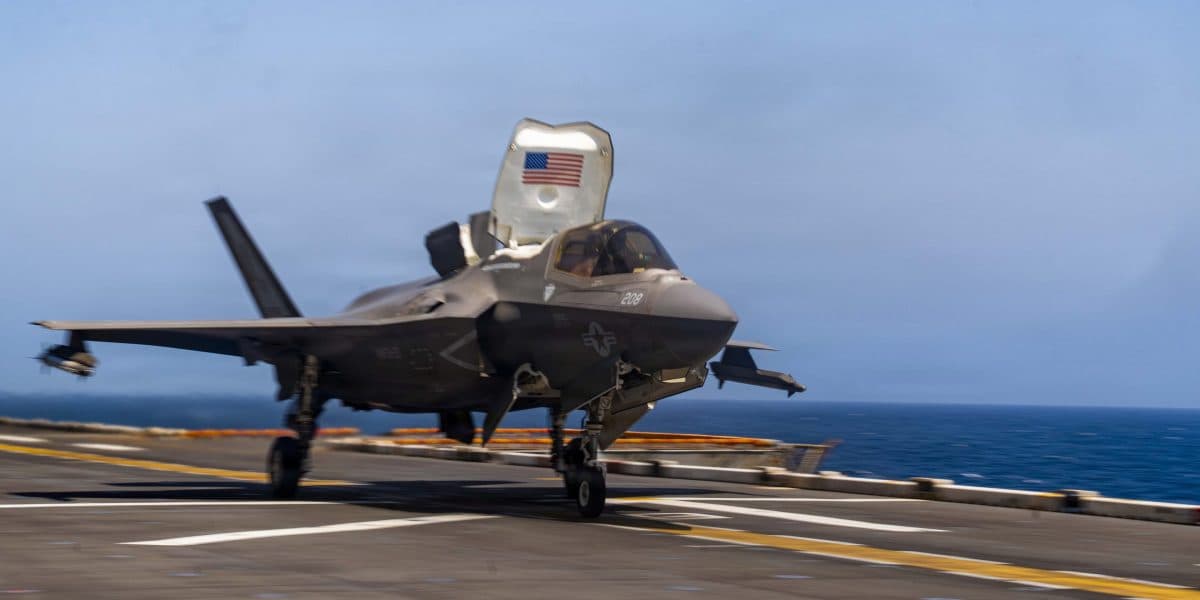
Photo via Fortune
Geopolitical negotiations often operate on a paradox: the more favorable terms one side receives, the more suspicious they become about the other's true intentions. This dynamic has significant implications for U.S. businesses operating globally or relying on international supply chains. According to experts analyzing recent Middle East negotiations, perceived generosity in diplomatic agreements can sometimes signal underlying concern rather than genuine goodwill, creating uncertainty that ripples through markets and corporate planning.
For Charlotte-area companies with exposure to energy markets, international trade, or global logistics networks, this kind of geopolitical volatility introduces real business risk. When major trading partners question whether agreements are genuine or merely tactical pauses before escalation, it creates unpredictability in pricing, shipping routes, and investment decisions. Companies dependent on stable international relationships must factor in the possibility that even apparently favorable conditions could reverse rapidly.
This uncertainty underscores the importance of diversified supply chains and robust risk management protocols. Charlotte businesses—particularly those in logistics, energy, and manufacturing—should regularly stress-test their international operations against scenarios involving sudden policy shifts or renewed tensions. Building flexibility into contracts and maintaining relationships across multiple regions can help buffer against the kind of volatility that emerges when trust between nations remains fundamentally fragile.
As companies plan for 2024 and beyond, the lesson is clear: favorable headlines don't always translate to stable business conditions. Firms should work with advisors to model worst-case scenarios, maintain contingency plans, and avoid over-concentrating operations in regions where geopolitical goodwill remains conditional rather than structural. In an uncertain world, preparedness remains the most prudent business strategy.