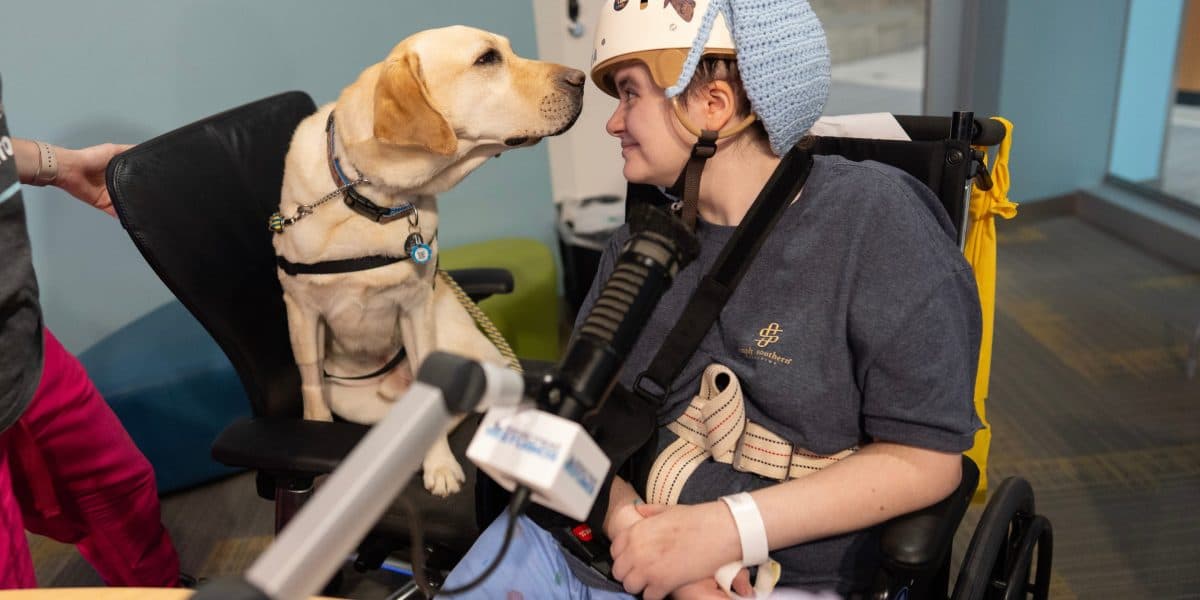
Photo via Fortune
Charlotte-area healthcare facilities are increasingly recognizing the therapeutic value of facility dogs in pediatric care settings. According to Fortune, a growing body of research demonstrates that even brief interactions with specially trained dogs can measurably improve children's overall well-being during hospital stays. For local healthcare systems already competing on quality metrics and patient satisfaction, integrating animal-assisted therapy programs represents a strategic investment in patient outcomes and institutional reputation.
The science behind canine therapy is compelling. These facility dogs are specifically trained to provide comfort and emotional support in clinical environments, helping children manage stress, anxiety, and pain associated with medical treatment. The positive effects extend beyond the immediate emotional boost—researchers have documented improvements in vital signs, medication adherence, and psychological resilience in pediatric patients who interact with facility dogs during their care.
Implementing a hospital dog program requires careful planning and coordination. Charlotte healthcare administrators must consider staffing, training, liability, and infection control protocols. However, the return on investment becomes evident through enhanced patient satisfaction scores, reduced behavioral complications during procedures, and improved family experiences—metrics that increasingly influence both patient retention and referral patterns in a competitive regional healthcare market.
As Charlotte's healthcare landscape evolves, differentiation through patient-centered innovations like therapeutic animal programs can strengthen institutional positioning. Local hospital systems exploring this approach join a national movement toward holistic, compassionate care that addresses the psychological dimensions of illness alongside medical treatment, ultimately creating competitive advantages in recruiting and retaining both patients and talent.