Photo via WCNC Charlotte
The Blue Ridge Mountains play a measurable but limited role in how severe weather develops and moves through the Charlotte area and broader Piedmont region. According to meteorological analysis, while the mountains can influence atmospheric conditions, they are neither a complete barrier to nor a guaranteed dissipator of dangerous storms. For Charlotte-area business leaders and emergency managers, understanding these dynamics is crucial for planning and preparedness.
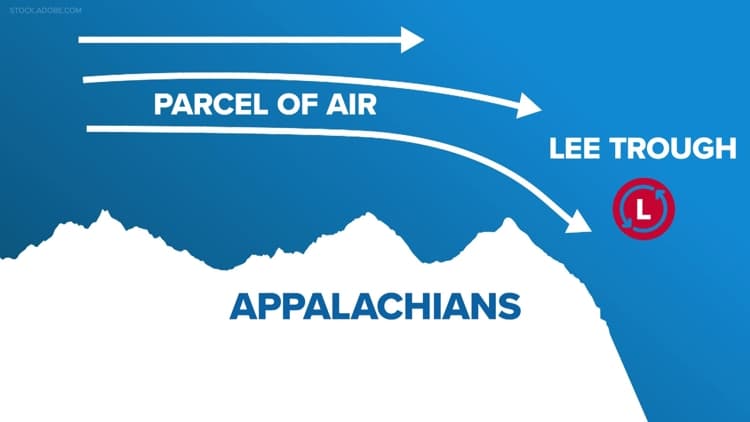
Mountains impact weather through several mechanisms, including orographic lift—where air is forced upward as it encounters higher terrain—which can enhance precipitation on windward slopes while creating drier conditions on the leeward side. However, the relationship between the Blue Ridge and Charlotte's weather is complex; the mountains are far enough away that their influence is often subtle rather than determinative. Severe weather systems can still reach the Charlotte metro area with significant intensity regardless of mountain proximity.
For industries sensitive to weather patterns—including agriculture, energy, construction, and logistics—recognizing the limits of mountain protection is essential. While elevated terrain may occasionally weaken certain storm systems, relying on geography alone for weather protection is insufficient. Businesses in the region should maintain robust weather monitoring and contingency planning systems rather than assuming natural barriers provide guaranteed defense.
Charlotte's location in the Piedmont gives the region a unique weather profile that differs from both the mountains and the coastal plain. Understanding how local topography interacts with weather systems helps businesses make more informed decisions about operations, supply chain resilience, and risk management. As severe weather patterns continue to evolve, this localized meteorological knowledge becomes increasingly valuable for regional economic planning.