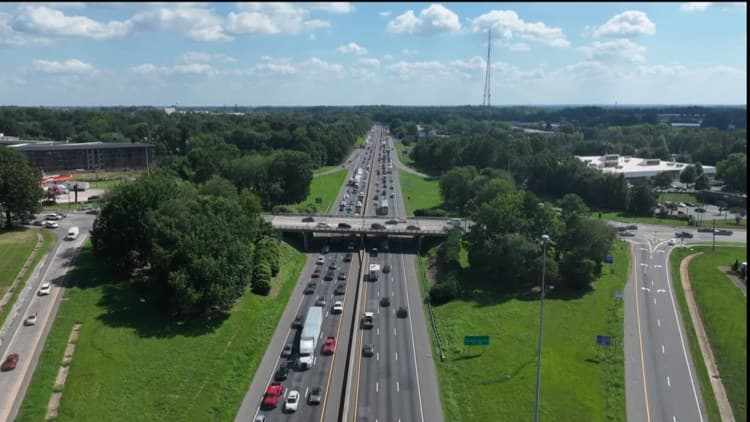
Photo via WCNC Charlotte
The $60 million I-77 toll lane initiative is drawing heightened criticism from local civic leadership, according to WCNC Charlotte. The Black Political Caucus of Charlotte-Mecklenburg has emerged as a vocal challenger to the project, raising questions about its financial feasibility and community impact at a time when North Carolina faces mounting budget constraints.
The timing of the opposition underscores broader fiscal pressures affecting regional infrastructure planning. As state budget decisions tighten resources available for transportation projects, local officials in Charlotte and Mecklenburg County are reassessing major capital commitments. The I-77 corridor remains critical to the region's logistics network and commuter traffic patterns, making the project's fate significant for business operations and workforce mobility.
The project's challenges reflect ongoing tensions between transportation needs and equitable development in the Charlotte metro area. Stakeholders are now evaluating whether toll-based funding models align with regional growth priorities and community interests. How state leaders and local officials resolve this dispute could influence future infrastructure financing approaches across North Carolina and set precedent for similar projects in the region.