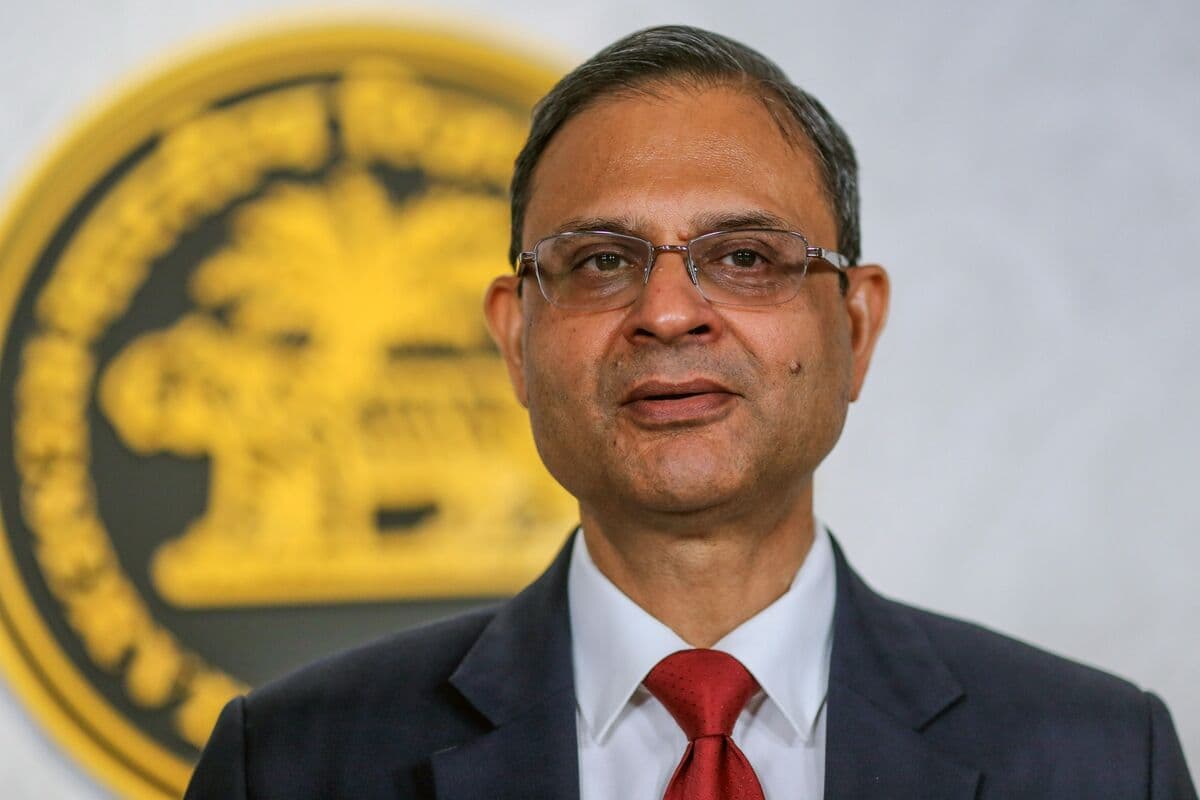
Photo via Bloomberg Markets
India's central bank and government have announced a coordinated policy response aimed at stabilizing the rupee after it reached record lows, according to Bloomberg Markets. The moves reflect a strategic approach to encouraging foreign investment inflows during a period of currency weakness, drawing on tactics previously deployed during the 2013 taper tantrum when the U.S. began signaling an end to quantitative easing.
The policy package includes a reduction in bond taxes and streamlined access for global funds seeking to invest in Indian securities. These measures are designed to make Indian debt instruments more attractive to international investors while reducing barriers to entry in the bond market. The coordinated nature of the response—involving both monetary and fiscal authorities—underscores the priority officials place on currency stabilization.
For Charlotte-area investment managers and financial advisors with emerging market exposure, these policy shifts warrant attention. Changes in India's regulatory framework and currency stability can ripple through global portfolios and affect returns on international investments held by regional institutional investors.
The central bank's approach represents a textbook response to currency pressure based on proven strategies from previous crises. As global capital flows remain volatile, other emerging markets may look to India's playbook, making this a bellwether moment for understanding how developing economies are adapting to international market pressures.