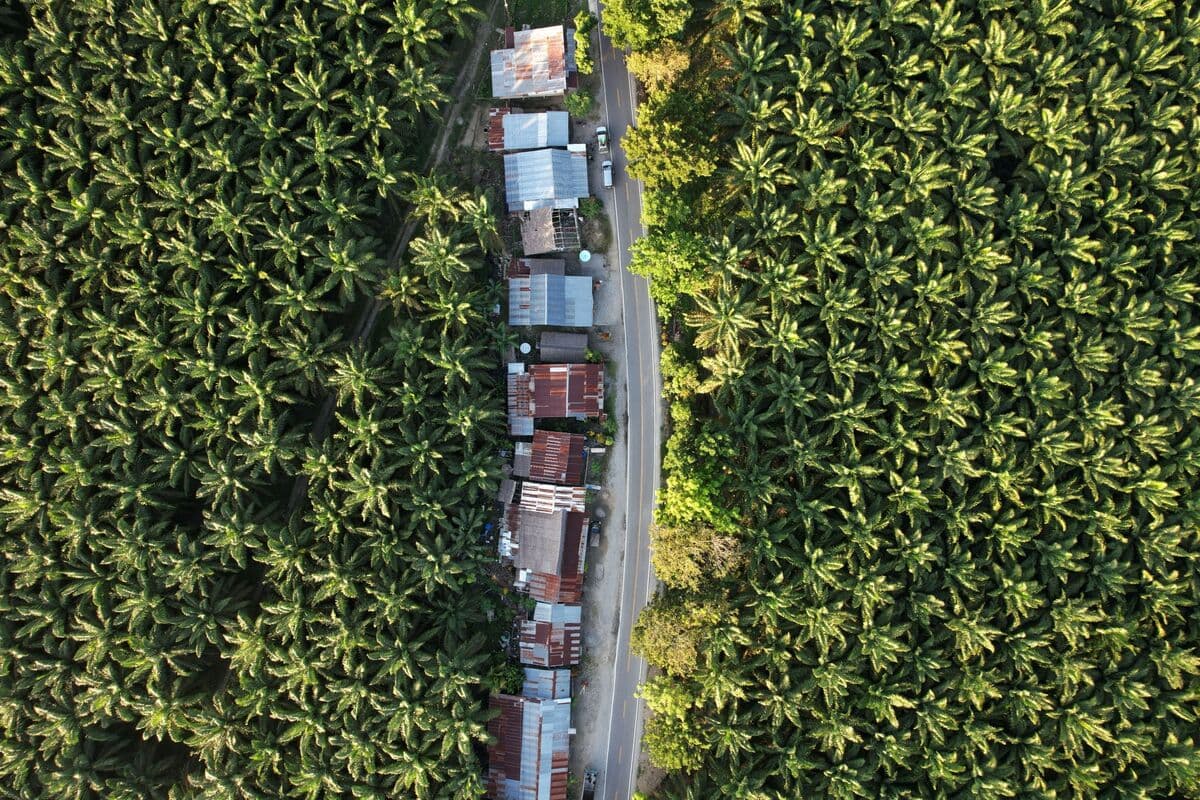
Photo via Bloomberg Markets
Indonesia has formalized its new export regulations for critical commodities, establishing a comprehensive framework that will affect trade flows of palm oil, coal, and ferronickel. According to Bloomberg Markets, the newly detailed regime captures most of Indonesia's major palm oil product categories alongside coal and ferronickel exports. For Charlotte-area businesses with supply chains tied to these materials—particularly food manufacturers, packaging companies, and energy-dependent operations—understanding these regulatory shifts is essential.
The policy represents Indonesia's attempt to exert greater control over its natural resource exports and potentially maximize domestic value-added processing. By establishing clearer export parameters, Indonesia aims to influence global commodity pricing and encourage foreign investment in local refinement capabilities. This strategic move reflects broader trends among resource-rich nations seeking to capture more margin in global supply chains rather than exporting raw materials.
Charlotte businesses operating in food production, consumer goods, or energy sectors should monitor how these export controls affect input costs and availability. Companies currently sourcing palm oil for food or cosmetic applications may face pricing adjustments or supply delays. Additionally, manufacturers dependent on coal for energy production could experience cost fluctuations as Indonesia's export decisions ripple through global energy markets.
Industry observers recommend that local companies review their commodity procurement strategies and consider diversifying supplier bases where feasible. The regulatory environment for critical commodities continues to shift globally, making supply chain flexibility and early market intelligence increasingly valuable competitive advantages for Charlotte-area enterprises.