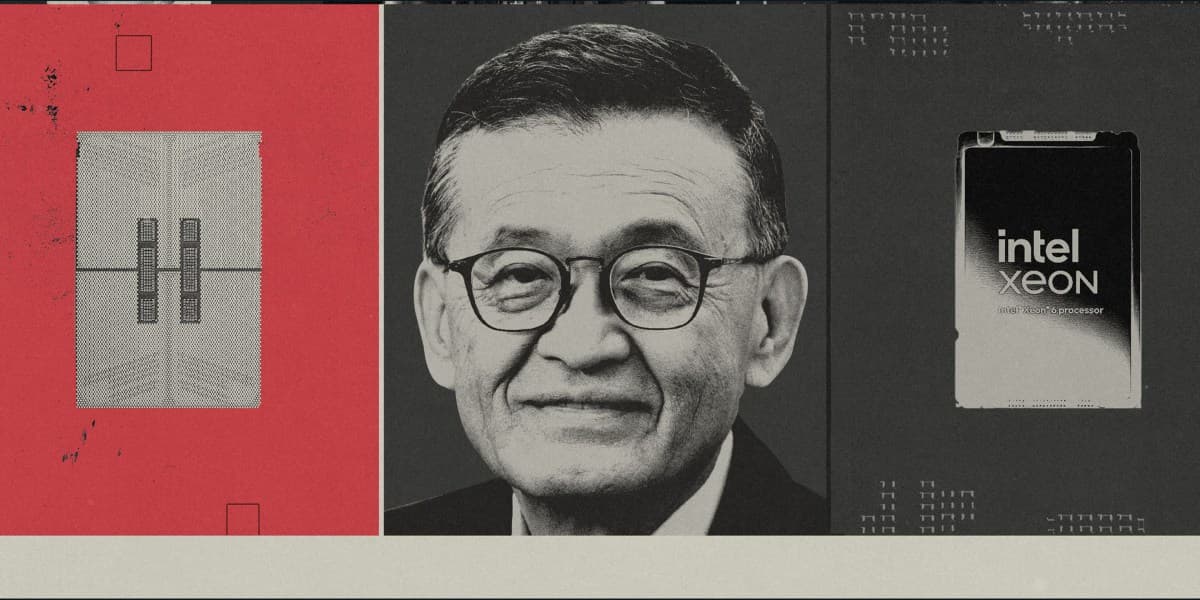
Photo via Fortune
When Lip-Bu Tan assumed Intel's helm, the semiconductor giant faced a critical juncture: mounting debt and diminishing competitiveness in the artificial intelligence sector. According to Fortune, the company was hemorrhaging its standing in a market increasingly dominated by AI-focused competitors. For Charlotte business leaders watching tech sector dynamics, Intel's predicament offered a cautionary tale about failing to adapt quickly to market shifts.
Tan's first move was radical simplification. By reducing management layers by half, the CEO eliminated bureaucratic drag that had slowed decision-making. This streamlined approach is particularly relevant for Charlotte's growing tech and manufacturing sectors, where agility often determines survival. The restructuring signaled to investors and employees alike that fundamental change was underway, not incremental tinkering.
The results speak for themselves. Within 13 months, Tan attracted substantial capital infusions from heavyweight investors Nvidia and SoftBank, validating his strategic vision. According to the source, Intel's stock has climbed nearly 500%, rewarding shareholders and fueling momentum for next-generation chip development. This dramatic turnaround demonstrates how clear leadership vision and swift structural action can restore investor confidence.
As Intel closes in on breakthroughs in advanced chip manufacturing, Charlotte-area companies—particularly those in aerospace, automotive, and advanced manufacturing—should note the playbook: eliminate layers, set clear strategic priorities, and move decisively. Tan's transformation underscores that even legacy tech powerhouses can regain relevance through bold organizational redesign and focused execution.