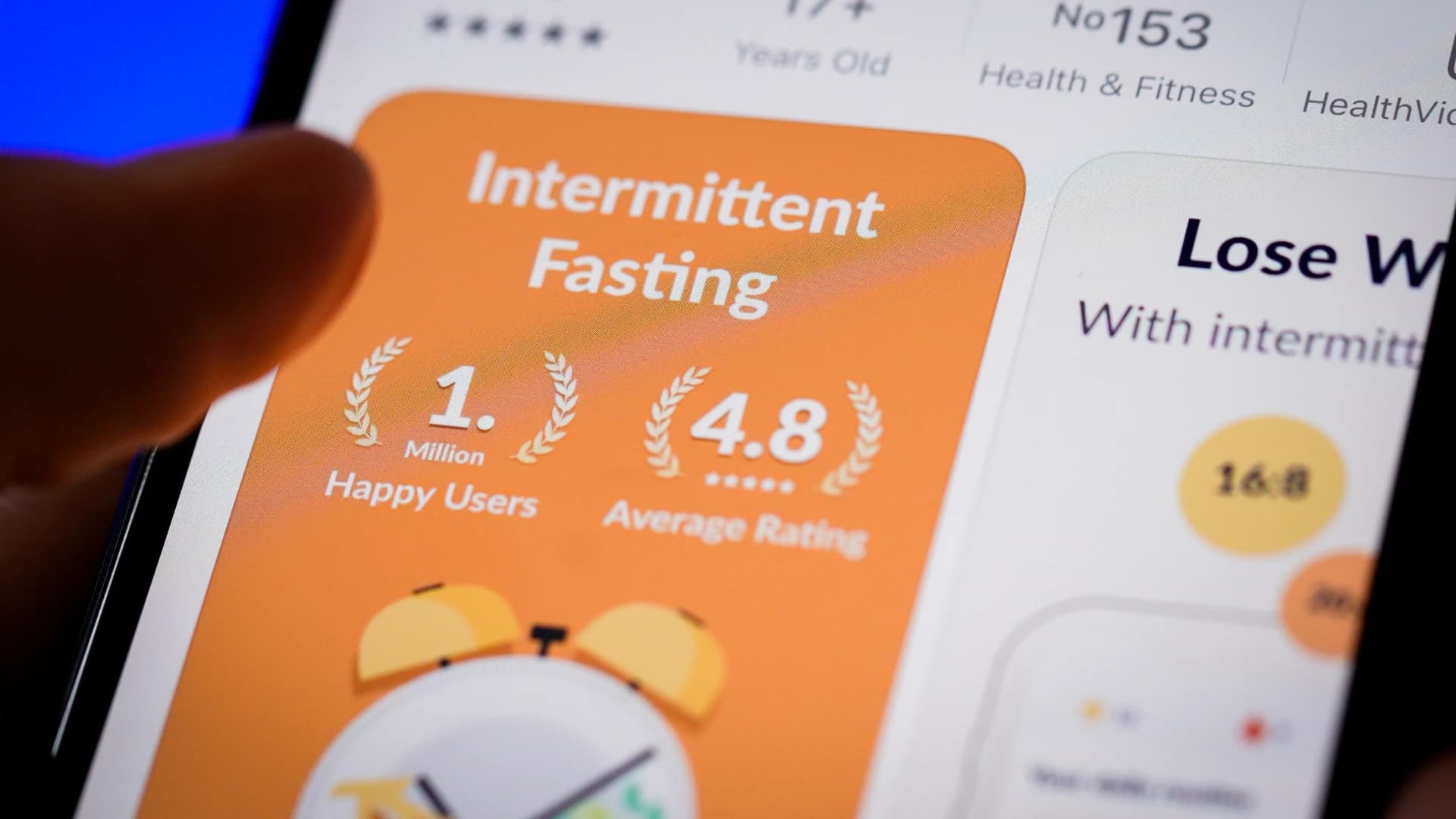
Photo via Inc.
For Charlotte's fast-paced business community, the promise of intermittent fasting has been alluring—a way to potentially sharpen focus while managing health. However, according to recent scientific analysis reported by Inc., the relationship between fasting and brainpower is far more nuanced than popular wellness culture suggests. As more local professionals experiment with various fasting protocols, understanding the actual science becomes increasingly important for making informed lifestyle decisions.
The research reveals that claims about fasting clearing brain fog lack the scientific consensus many assume. While some individuals report improved mental clarity during fasting periods, others experience the opposite effect. The variability appears to depend on numerous personal factors including individual metabolism, the specific fasting protocol used, and baseline nutritional status. For Charlotte business leaders evaluating wellness programs or personal productivity strategies, this means one-size-fits-all fasting recommendations may not deliver promised results.
The implications extend to workplace wellness initiatives and executive health decisions. Charlotte-area companies investing in employee wellness programs should approach fasting-based initiatives with realistic expectations rather than treating them as guaranteed cognitive enhancers. Instead of promoting fasting as a universal solution for afternoon brain fog, organizations might benefit from focusing on well-established productivity factors: consistent sleep schedules, regular nutrition, and stress management.
As the wellness industry continues promoting fasting as a performance tool, this scientific clarification serves as a reminder for business professionals to evaluate health trends critically. Before adopting any significant dietary change, Charlotte executives should consult with medical professionals and consider their individual circumstances rather than following trending biohacks. The real productivity gains may come not from what you don't eat, but from understanding what actually works for your unique situation.