Photo via Fortune
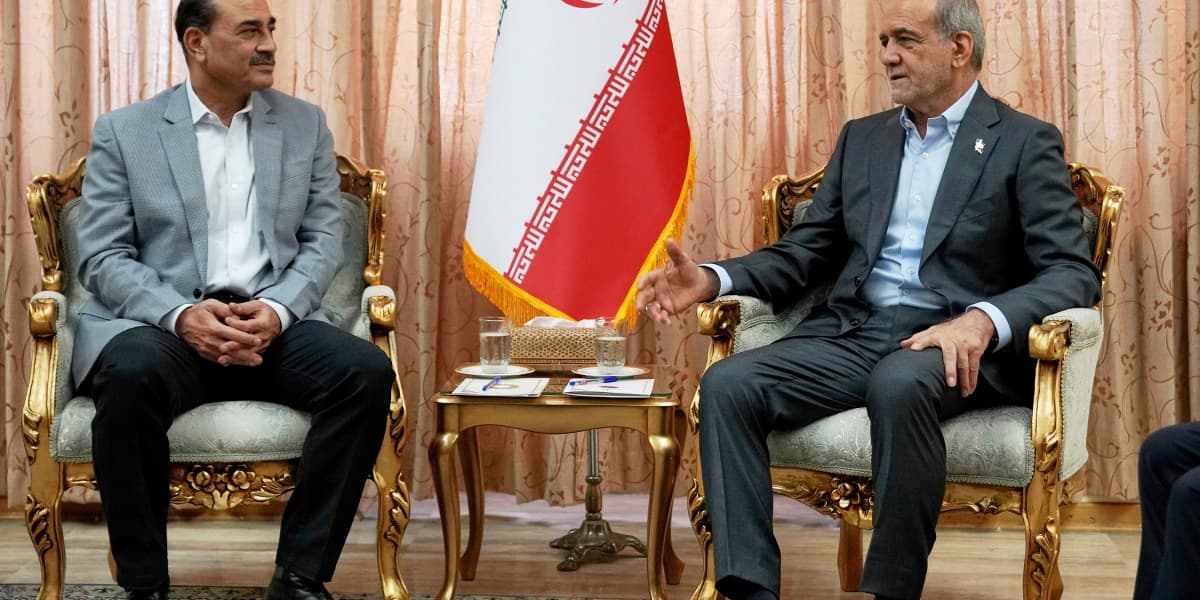
The Trump administration is signaling significant headway in diplomatic negotiations with Iran over reopening the Strait of Hormuz, one of the world's most critical energy chokepoints. According to Fortune, Secretary of State Marco Rubio indicated from India that negotiations have advanced, with potential announcements forthcoming. The strait, which handles roughly one-third of global maritime petroleum trade, has been a flashpoint for geopolitical tension and economic uncertainty.
For Charlotte's business community, particularly companies in manufacturing, logistics, and energy-dependent sectors, an agreement reopening the Strait could have tangible benefits. Stabilized oil prices and improved energy supply chains would reduce operational costs and provide greater predictability for procurement planning. Local manufacturers reliant on stable energy prices and efficient shipping routes could see margins improve if international tensions ease.
The logistics and transportation sectors in the Charlotte region stand to benefit most directly. Companies managing supply chains for goods moving through Middle Eastern and Asian ports would face lower shipping costs and reduced geopolitical risk premiums. Energy prices, which influence shipping, warehousing, and manufacturing expenses throughout the Carolinas, could stabilize if negotiations succeed.
While details remain limited, business leaders should monitor developments closely. Any agreement affecting global energy markets will have downstream effects on local operating costs, inflation expectations, and investment decisions. Charlotte companies with international supply chains or energy exposure should prepare contingency plans while watching for official announcements from the State Department.