Photo via Inc.
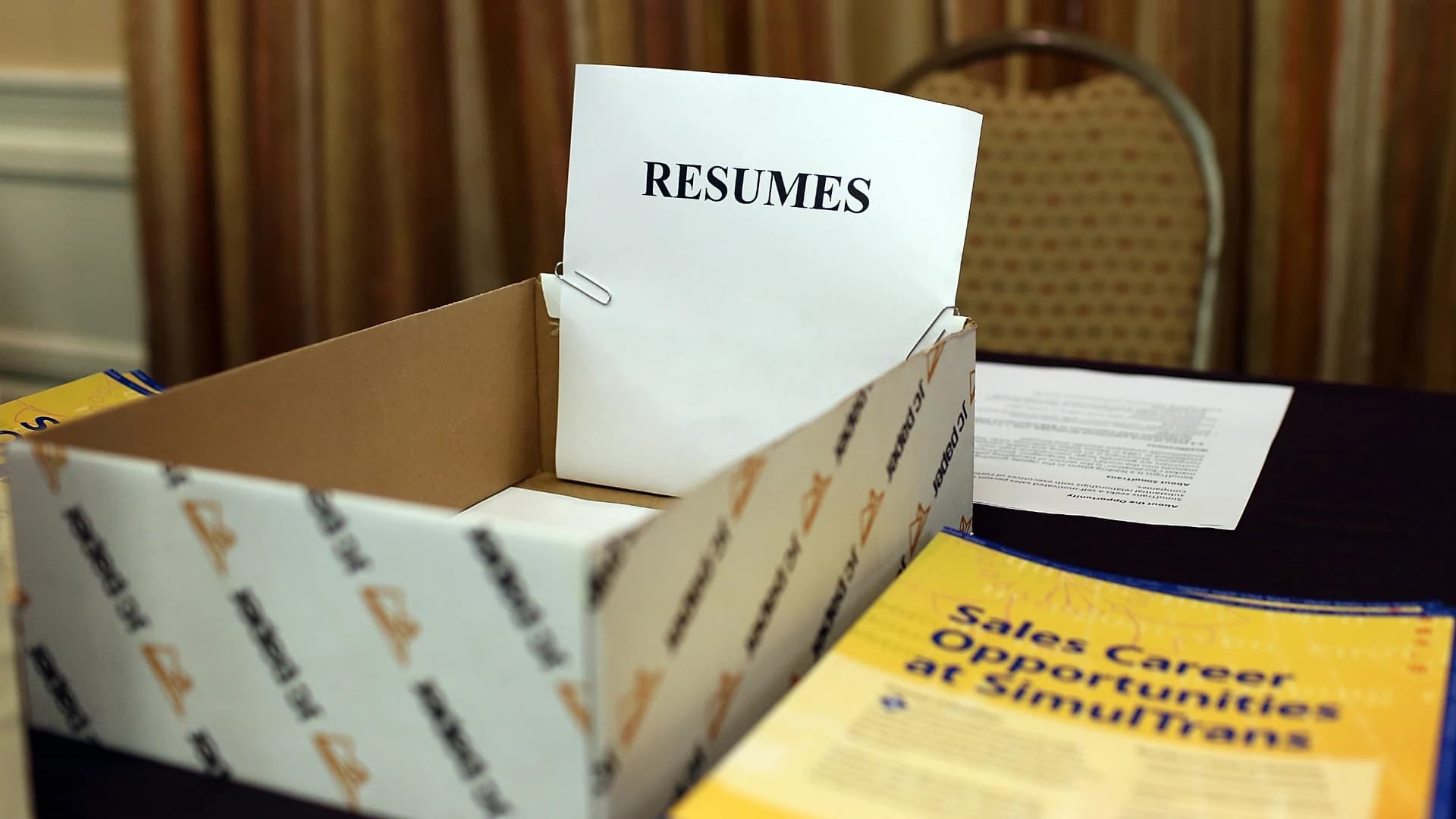
According to Nvidia's Jonathan Ross, a troubling pattern has emerged in artificial intelligence-powered recruitment: screening algorithms tend to favor resumes created by the same AI models used to evaluate them. For Charlotte professionals entering the job market, this revelation underscores an often-overlooked complexity in modern hiring practices that extends well beyond traditional resume writing.
The implications are significant for local job seekers and employers alike. As more Charlotte-area companies adopt AI-driven applicant tracking systems to manage high volumes of submissions, understanding these algorithmic preferences becomes increasingly important. The phenomenon suggests that applicants may need to research which AI tools and platforms hiring companies use—and potentially tailor their application materials accordingly.
This quirk highlights a broader concern about bias in automated hiring systems. Rather than leveling the playing field, AI screening tools may inadvertently create new barriers for candidates who aren't aware of these technical preferences. For Charlotte's growing tech sector and established corporations alike, the discovery raises questions about whether current hiring practices are truly merit-based or if they're being skewed by algorithmic preferences.
The takeaway for Charlotte professionals is clear: job hunting in an AI-driven market requires understanding not just what you say on your resume, but how and with what tools you say it. As artificial intelligence becomes more embedded in recruiting processes across industries—from finance to healthcare to manufacturing—applicants must stay informed about these evolving dynamics to remain competitive.