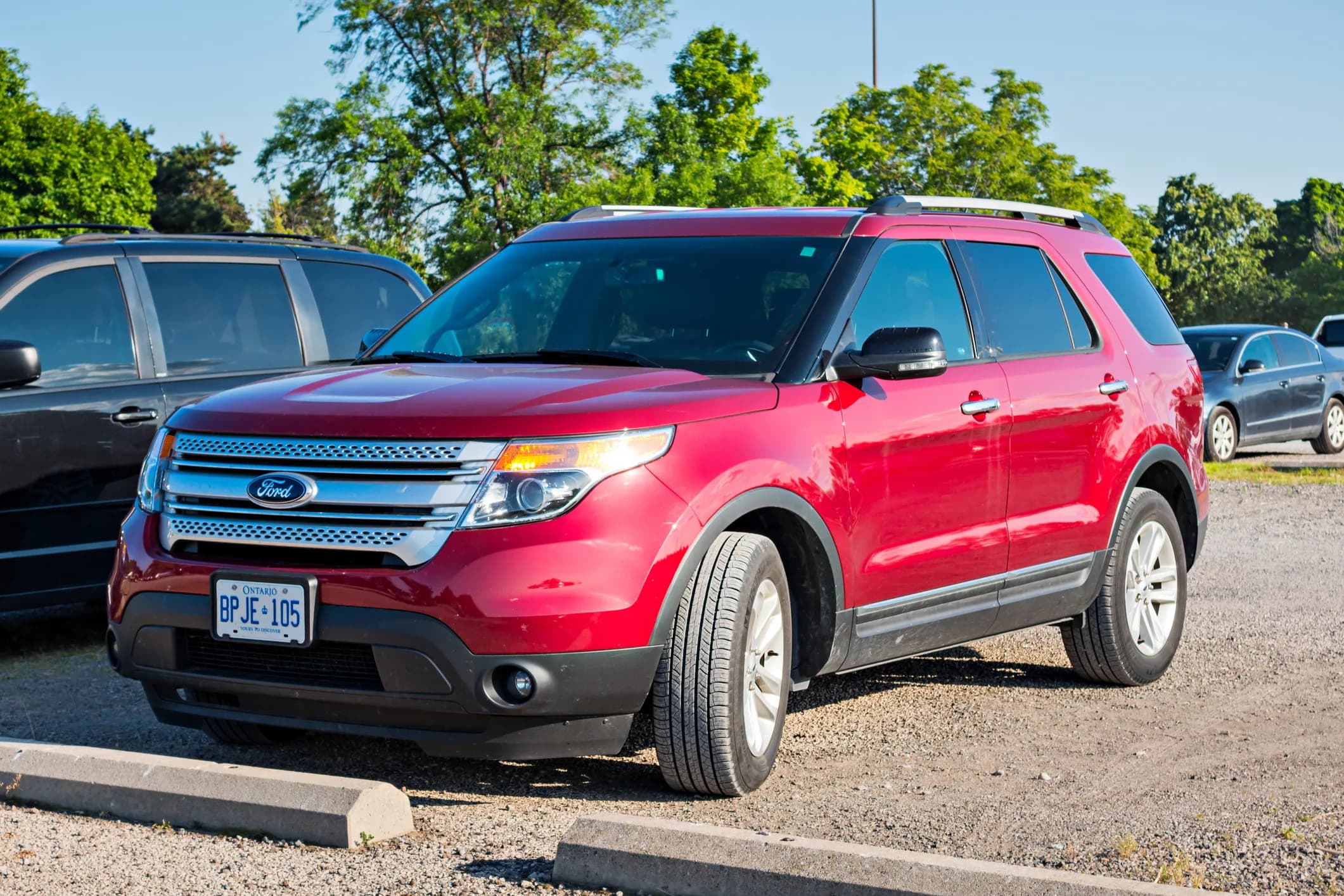
Photo via Inc.
A growing number of vehicle owners are holding onto their cars well beyond the traditional replacement cycle, signaling a significant shift in consumer automotive behavior. According to industry data cited in recent reporting, drivers who keep vehicles for a decade or more are no longer outliers—they're becoming part of a broader trend that's reshaping how manufacturers, dealers, and service providers approach their business models.
For Charlotte-area auto dealerships and service centers, this trend presents both challenges and opportunities. When customers extend ownership, they may purchase fewer new vehicles over time, potentially impacting new car sales. However, the extended ownership model drives increased demand for maintenance, repairs, and aftermarket services—sectors where local shops and dealerships can strengthen customer relationships and build recurring revenue streams.
The shift also reflects changing consumer priorities around cost, environmental consciousness, and vehicle reliability. Rather than chasing status symbols tied to model year, many drivers are evaluating total cost of ownership and the practicality of maintaining vehicles longer. This pragmatic approach aligns with broader economic considerations that resonate particularly in Charlotte's competitive business environment.
Industry observers suggest that automotive businesses adapting to this trend—by emphasizing service quality, parts availability, and maintenance expertise—may find sustainable advantages. For Charlotte's transportation and logistics sectors, which rely on vehicle fleets, the economics of extended ownership could influence fleet management strategies and purchasing decisions for years to come.