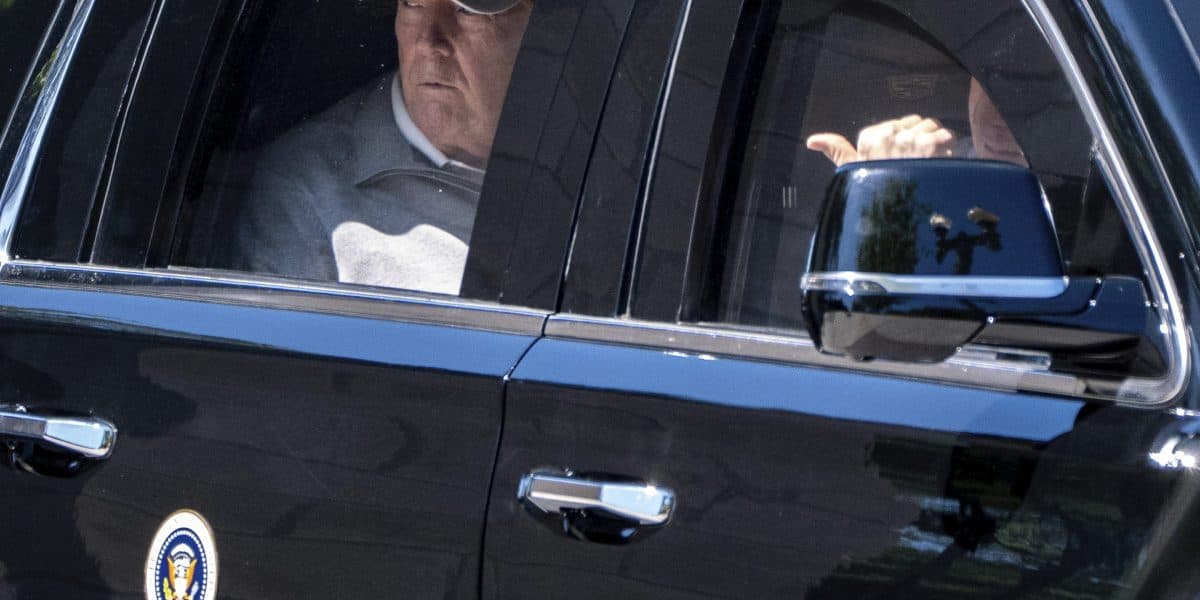
Photo via Fortune
A federal court ruling regarding naming rights at Washington's Kennedy Center has reignited debate over the enforceability and permanence of corporate sponsorship agreements on publicly funded venues. According to Fortune, a judge ordered the removal of a prominent name from the iconic performing arts center, prompting significant fallout about the terms and conditions that govern such partnerships. The case underscores the legal vulnerabilities that can emerge when private entities invest in naming opportunities at government-controlled facilities.
For Charlotte-area real estate developers and corporate sponsors, the Kennedy Center decision serves as a cautionary reminder about due diligence in naming rights negotiations. Many local projects—from sports venues to cultural institutions—rely on sponsorship agreements that assume permanence. However, this ruling demonstrates that courts may intervene when they determine agreements conflict with public interests or governance structures, potentially invalidating decades-long naming commitments.
The dispute also reflects broader tensions between private investment and public stewardship of shared cultural spaces. When corporations fund renovations or improvements to government-owned facilities, questions inevitably arise about ownership claims, decision-making authority, and the duration of naming privileges. Charlotte organizations involved in public-private partnerships should carefully review how their agreements address these contingencies.
Business leaders navigating similar arrangements should consult legal experts specializing in public facility agreements and ensure contracts explicitly address dispute resolution, termination conditions, and the treatment of naming rights if partnerships dissolve. The Kennedy Center case demonstrates that even substantial financial commitments may not guarantee perpetual naming rights, particularly when judicial review finds conflicts with governmental authority or public benefit.