Photo via Fast Company
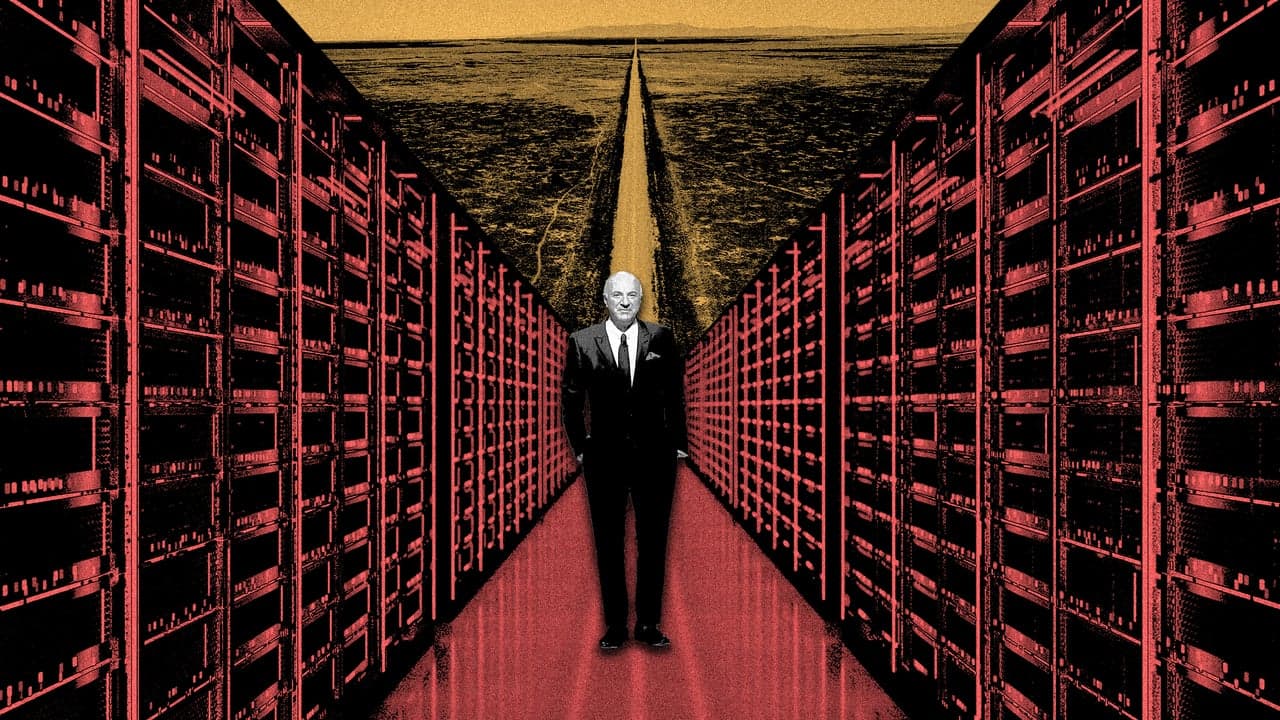
Kevin O'Leary's proposed Wonder Valley data center in Utah is facing significant skepticism from industry experts. The 40,000-acre project, also called Stratos, would require 9 gigawatts of power—more than double Utah's entire average electricity consumption. However, according to energy analyst Olivia Wang at Sightline Climate, the likelihood of the project materializing at its announced scale sits at roughly 15%, based on analysis of over 1,000 hyperscale data center projects worldwide.
The project lacks essential building blocks necessary for construction. Wang notes that Wonder Valley currently has no secured power contracts, no financing in place, and no publicly announced tenants despite O'Leary's claims of interest. Additionally, the developer's partner, West GenCo, has no apparent track record in data center infrastructure delivery. Meanwhile, regulatory requirements add further delays—no air permit has been filed with Utah's Department of Environmental Quality, and approval could take up to two years.
The broader data center development landscape is experiencing delays that should concern investors. According to Sightline Climate's February report, 30% to 50% of the 2026 data center pipeline is unlikely to come online this year. In 2025 alone, 26% of expected capacity slipped past projected timelines. This trend has implications for Charlotte-area businesses eyeing data center infrastructure partnerships or cloud expansion strategies.
Local opposition poses another significant barrier. Nearly 4,000 Utahns filed protests against Wonder Valley's water rights application, which was subsequently pulled. Nationally, a Gallup poll shows 70% of Americans oppose AI data center construction in their areas, with 48% strongly opposed. Energy analyst Wang reports tracking over 40 moratorium proposals across the U.S. in recent months, signaling that community resistance to large infrastructure projects will likely remain a critical factor in project viability going forward.