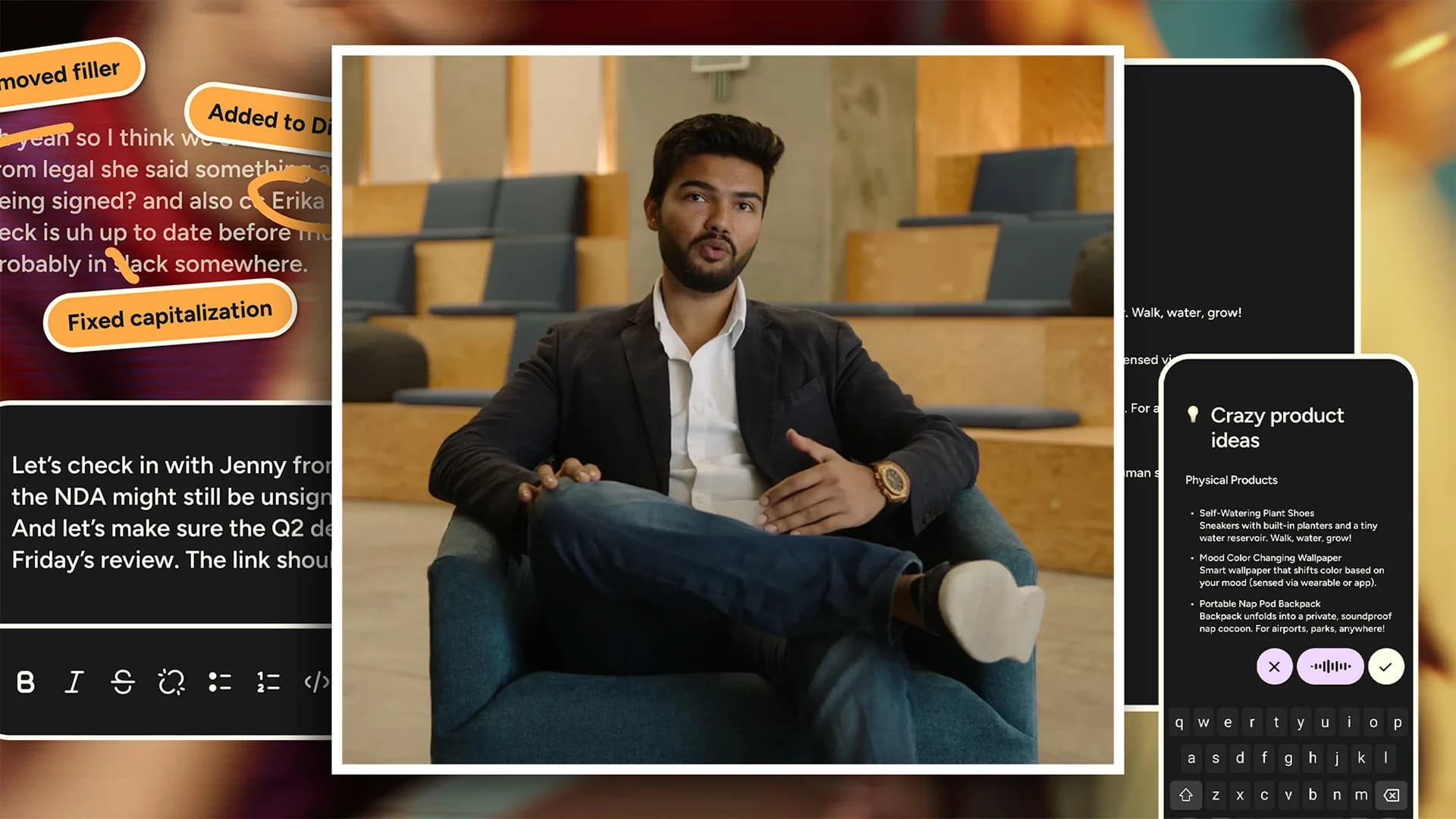
Photo via Inc.
Age disparities in the workplace are increasingly common as experienced professionals join fast-growing startups seeking new challenges. According to Inc., Wispr Flow founder Tanay Kothari has developed a framework for navigating this dynamic that centers on understanding individual motivations rather than imposing a one-size-fits-all leadership style. For Charlotte's burgeoning tech community, where both established professionals and young entrepreneurs are converging, this approach offers practical insight into building cohesive teams across generational lines.
Kothari's strategy relies on what he describes as a 'love language' framework—drawing from relationship psychology to identify what drives each team member. Rather than assuming senior employees seek traditional advancement, he focuses on understanding personal goals, work preferences, and communication styles. This method recognizes that veterans bringing decades of experience to startup roles may prioritize flexibility, meaningful work, or mentorship opportunities over conventional incentives. Charlotte business leaders scaling rapidly can apply this principle by conducting candid conversations about what success looks like for each employee.
The approach has yielded measurable results: Wispr Flow reportedly achieved a 10x revenue increase in just five months, suggesting that team cohesion and motivation directly impact business performance. For Charlotte companies competing for talent in a tight regional market, fostering genuine connections between leadership and staff—regardless of age—creates competitive advantage. When employees feel understood at a personal level, retention improves and institutional knowledge transfers more effectively.
The lesson extends beyond startups to established Charlotte firms navigating intergenerational workforces. By moving away from hierarchical assumptions and toward individualized understanding, leaders can unlock the full potential of teams spanning multiple decades of experience. As the region's business landscape continues evolving, this human-centered approach to management may prove as valuable as any technological innovation.