Photo via FreightWaves
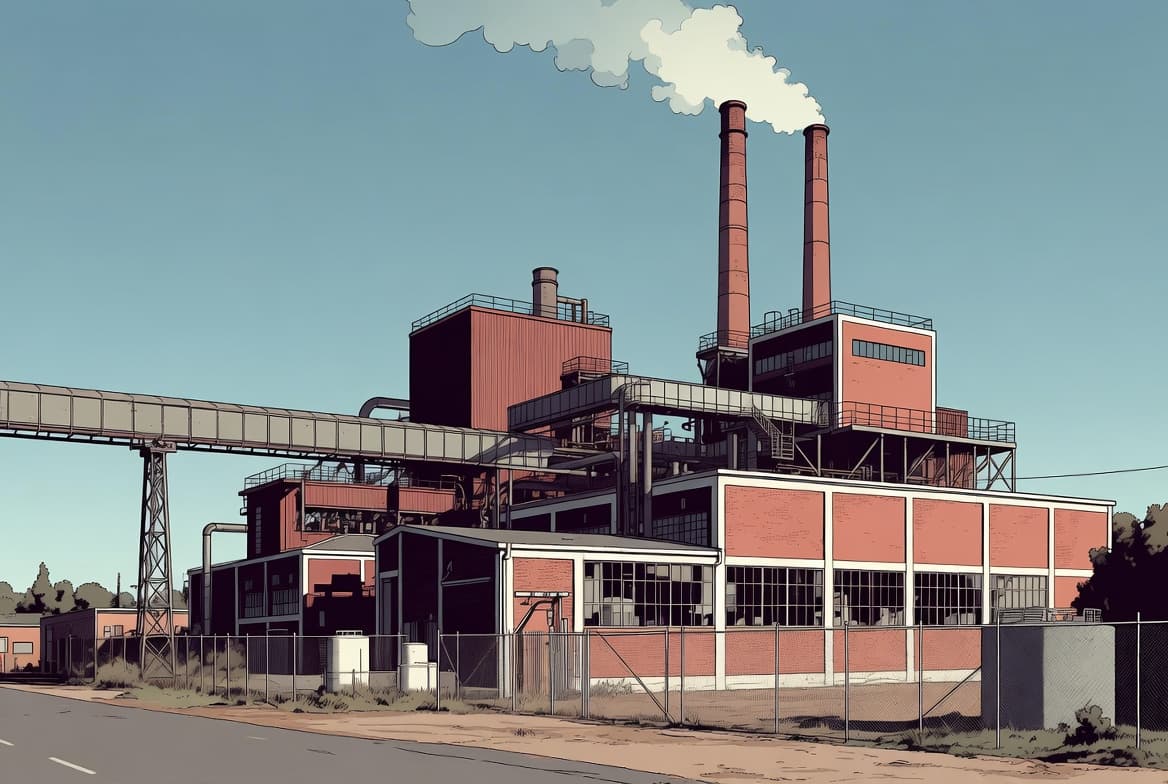
After weathering a prolonged freight downturn throughout 2023 and into 2024, the transportation and logistics sector is experiencing a decisive turnaround. According to FreightWaves analysis, May data shows a clear shift in what's fueling this recovery: rather than consumer spending or inventory rebuilding, industrial production has emerged as the primary demand driver. For Charlotte's robust logistics and supply chain community, this signals a structural shift that could sustain growth over coming months.
The Institute for Supply Management and Logistics Managers' Index provide corroborating evidence of this manufacturing-led inflection point. These economic indicators, which track real-time business conditions, suggest industrial activity is accelerating across sectors. This development carries particular significance for the Charlotte region, home to major distribution hubs, transportation companies, and manufacturing operations that depend on steady freight movement to remain competitive.
The distinction between what's driving current demand matters significantly for regional businesses. Consumer-driven cycles tend to be volatile and inventory-focused rallies often prove temporary. In contrast, industrial production typically reflects sustained capital investment and operational expansion—suggesting the freight recovery may have deeper roots than previous market bounces. Companies in Charlotte's supply chain ecosystem should prepare for more predictable demand patterns ahead.
For transportation providers, logistics operators, and manufacturers throughout the Charlotte area, this recovery presents an opportunity to rebuild capacity and customer relationships after months of constrained activity. The shift underscores the importance of monitoring industrial production data as a bellwether for regional business health, particularly for companies whose fortunes rise and fall with freight market cycles.