Photo via Fortune
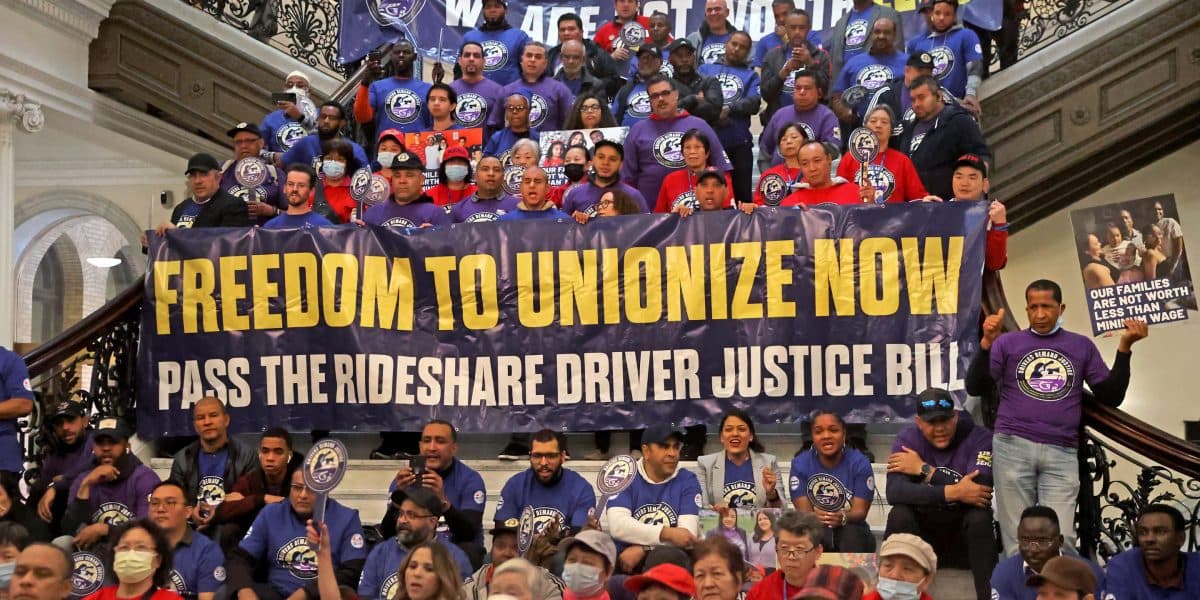
In a significant development for gig economy workers, Uber drivers in Massachusetts have secured union representation—a victory characterized as the most substantial labor win in the state since 1941, according to Fortune. The agreement represents a watershed moment for independent contractors who have long operated under app-based platforms with minimal protections and no formal grievance processes. For drivers like Jean Fredo, who work 60-hour weeks while facing the constant threat of deactivation without appeal, the union provides newfound job security and a voice in working conditions.
The implications extend far beyond Massachusetts. According to the reporting, this labor victory is generating significant attention in California and throughout the country, where tech companies have built their business models on independent contractor workforces. The agreement could establish precedent for how gig economy platforms structure driver relationships and may influence how other states approach regulatory frameworks governing app-based services. For Charlotte-area logistics and delivery companies operating similar models, the development underscores growing pressure to reevaluate contractor relationships.
The timing of this labor agreement is particularly notable as autonomous vehicle technology continues advancing. Industry observers point to the irony of securing worker protections just as automation threatens to reshape the industry fundamentally. This creates an interesting dynamic where labor protections and technological displacement may converge, forcing platforms and policymakers to consider transition strategies for displaced workers.
Business leaders across the gig economy sector—from ride-sharing to delivery services—are likely monitoring this development closely. The Massachusetts precedent may influence how companies structure operations in other states and could prompt regulatory discussions in North Carolina. As the gig economy continues expanding locally and nationally, expect increased scrutiny on contractor classification, working conditions, and the balance between platform flexibility and worker protections.