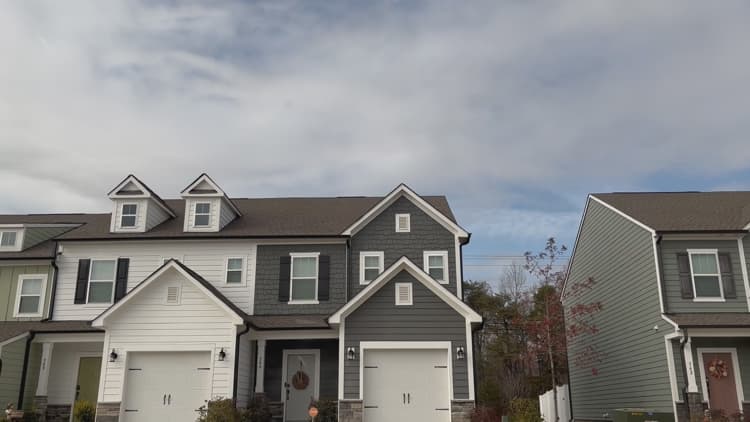
Large-scale data center projects are increasingly sparking debate between technology developers and neighboring communities. According to reporting in The New York Times, homeowners and residents are raising legitimate concerns about proposed facilities that would dramatically alter their local landscapes and potentially impact quality of life, even as developers assure communities of economic benefits.
For Charlotte-area business leaders, this tension reflects a broader challenge facing the Southeast. The region has become an attractive hub for data center investment due to favorable power costs, available land, and proximity to major markets. However, rapid expansion of these facilities—some spanning thousands of acres—requires careful planning and community engagement to maintain regional competitiveness while respecting residential and environmental concerns.
Transparency and trust emerge as critical factors in these negotiations. Developers must provide detailed information about infrastructure impacts, environmental protections, water usage, and long-term community benefits. According to the source material, simply asking residents to trust developers without substantive dialogue is insufficient and often backfires, potentially delaying or derailing projects that could benefit the regional economy.
For Charlotte's business community, the lesson is clear: successful large-scale development requires proactive stakeholder engagement. Companies pursuing major real estate projects—whether data centers or other infrastructure—should invest early in community dialogue, environmental assessment, and economic impact transparency to build the social license necessary for long-term success.