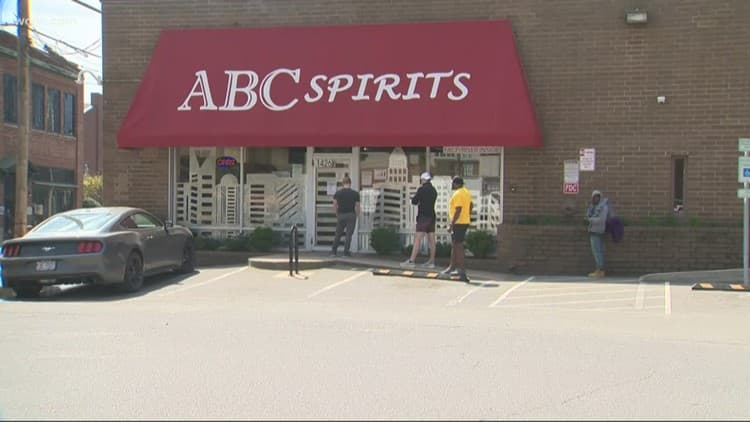
Photo via WCNC Charlotte
Mecklenburg County's alcohol tax revenue is generating significant funding for community initiatives, according to a recent audit highlighted by WCNC Charlotte. The county's board of commissioners has strategically allocated these funds to strengthen public safety infrastructure and substance abuse prevention programs across the region, demonstrating how consumer spending on regulated products directly supports local services.
Law enforcement agencies in Charlotte and surrounding areas received the largest boost under the current allocation strategy, with funding increases approaching 23%. This substantial investment reflects the board's commitment to enhancing police operations, community policing efforts, and public safety capacity as the region continues to grow and develop.
Beyond law enforcement, alcohol education initiatives received over 14% in additional funding, signaling a balanced approach to the tax revenue allocation. These programs typically focus on prevention, treatment, and awareness campaigns—investments that reduce long-term public health costs and support workforce stability across Charlotte's growing business community.
The audit provides transparency on how discretionary tax revenue from a regulated industry flows back into community services. For business leaders and investors evaluating Charlotte's infrastructure and public safety investments, this data offers insight into the county's fiscal priorities and commitment to supporting quality-of-life factors that influence talent retention and business growth.