Photo via Fortune
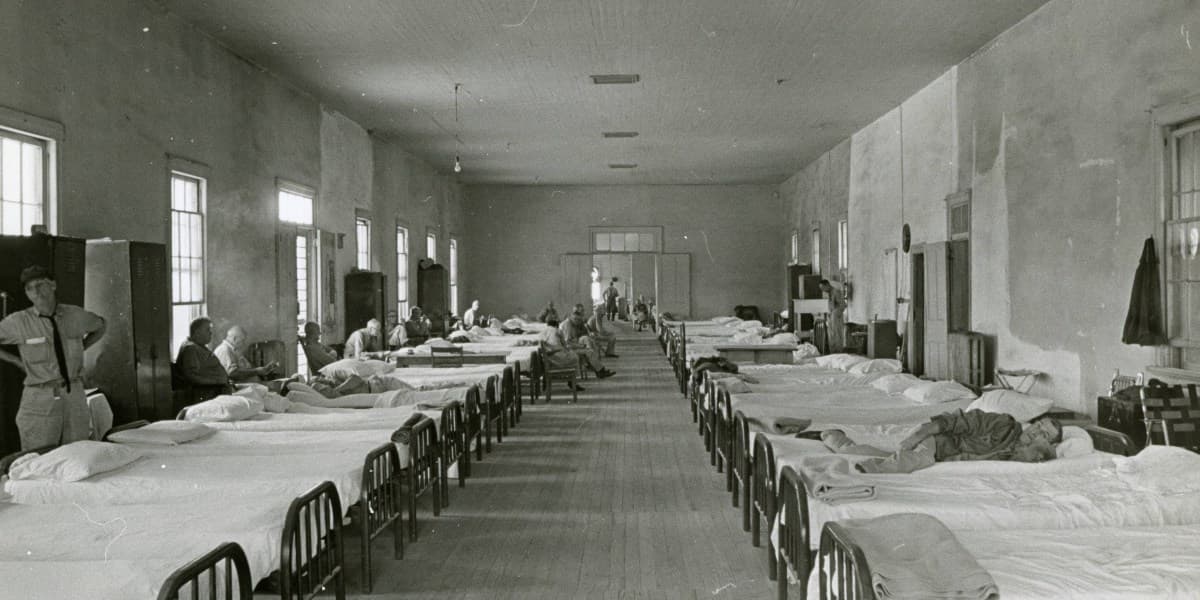
According to Fortune, approximately 500,000 individuals were institutionalized in state psychiatric hospitals throughout American history, yet many of their medical records remain inaccessible to descendants today. This documentation gap has created significant challenges for families attempting to understand hereditary mental health conditions and genetic predispositions that could inform their own healthcare decisions.
The case of Breta Meria Conole exemplifies this broader issue. Conole spent more than two decades in a state psychiatric facility, but the specific reasons for her lengthy institutionalization remain unknown to her family. Her great-grandniece, Debby Hannigan, pursued access to these records hoping to uncover family mental health patterns—particularly relevant given her own daughter's diagnosis of depression.
For healthcare providers and family medicine practitioners in the Charlotte region, this accessibility issue underscores the importance of comprehensive family health histories. When ancestral psychiatric records are unavailable, patients and their clinicians lose valuable context for understanding genetic and environmental factors that may influence mental wellness across generations.
The situation raises important questions for North Carolina's healthcare community about medical record retention policies, privacy protections, and how institutions can balance confidentiality concerns with legitimate descendant requests for health information. As behavioral health services expand throughout the Charlotte area, ensuring appropriate access to historical medical data becomes increasingly relevant for comprehensive patient care.