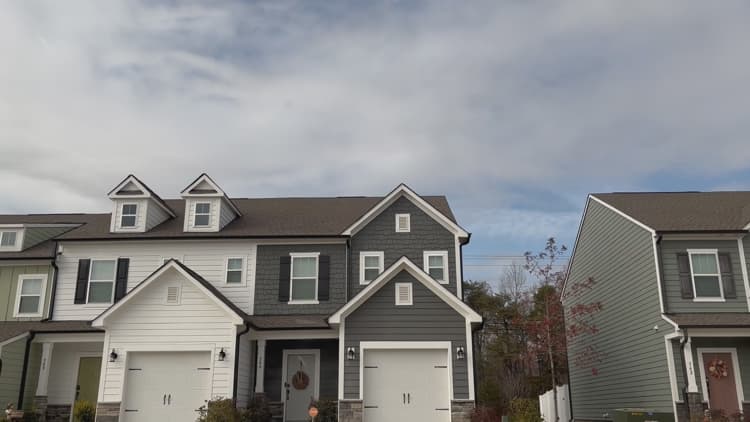
Photo via CNBC Business
AvalonBay Communities and Equity Residential have announced a transformative merger that will reshape the multifamily housing landscape. According to CNBC Business, the deal creates one of the largest residential real estate companies in the United States, combining their portfolios into a powerhouse operator managing more than 180,000 rental apartments across the nation. This consolidation represents a significant milestone in an industry already dominated by large institutional players.
For Charlotte-area renters and developers, this merger underscores broader consolidation trends affecting local housing markets. As mega-operators gain scale, they typically implement standardized management practices, technology platforms, and pricing strategies across their portfolios. Charlotte's growing multifamily sector—home to numerous apartment communities and active development—could experience ripple effects in how properties are managed and priced competitively in an increasingly consolidated market.
Industry consolidation of this magnitude raises important questions about market competition and affordability. When fewer, larger entities control substantial portions of the rental market, their decisions on pricing, amenities, and operational standards can influence conditions market-wide. Local Charlotte developers and smaller operators may need to reassess their competitive positioning as institutional investors continue accumulating residential assets.
For Charlotte business leaders monitoring commercial real estate trends, this merger signals continued capital concentration in multifamily housing. The region's status as a growing employment hub and migration destination makes it attractive to large operators seeking to expand their footprints. Stakeholders should watch how this consolidated entity leverages its scale to shape competitive dynamics in Charlotte's rental market over the coming years.