Photo via WCNC Charlotte
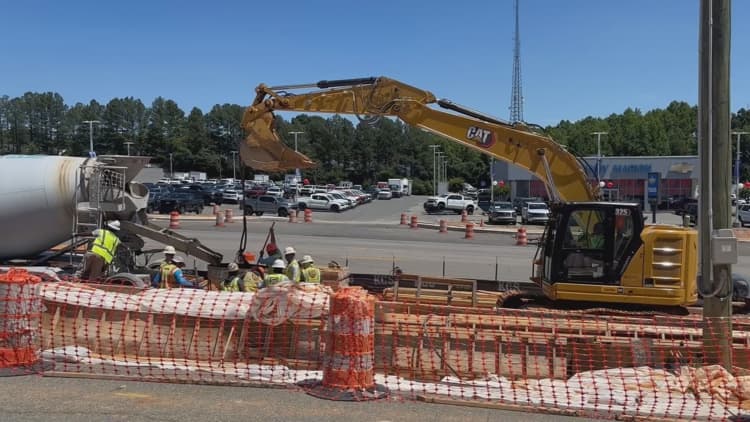
Mooresville is navigating a critical period of infrastructure development as multiple major road projects create compounding traffic challenges across the I-77 corridor. According to WCNC Charlotte, while N.C. 150 widening continues, city planners have scheduled Williamson Road for significant expansion—a move that has sparked frustration among drivers and raised questions about cumulative impact on local commerce.
For Charlotte-area businesses with operations or supply chains running through Mooresville, the timing raises operational concerns. The convergence of construction projects on key thoroughfares could affect delivery schedules, employee commute times, and customer accessibility to retail and service providers along these corridors. Companies in logistics, manufacturing, and regional distribution should monitor project timelines closely.
Mooresville's growth trajectory has made infrastructure investment necessary. The town's position as a regional hub—anchored by its automotive heritage and proximity to Charlotte's economic center—means that road capacity directly influences the broader Charlotte metro's ability to move goods and services efficiently. Strategic planning during these overlapping projects will be critical to minimizing disruption.
Business leaders and property developers eyeing Mooresville should factor construction phases into expansion plans. While temporary traffic constraints pose near-term challenges, the underlying infrastructure improvements position the region for long-term growth and accessibility—potentially creating new opportunities for commercial real estate development once projects conclude.