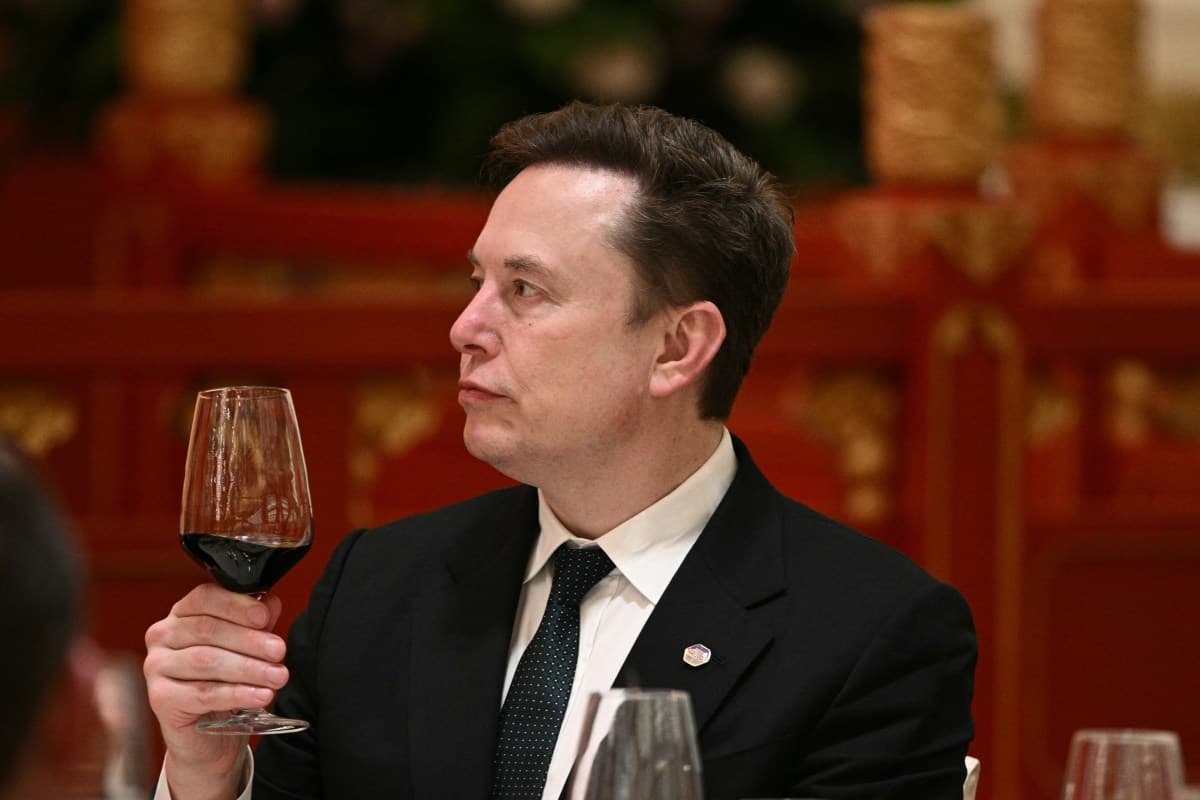
Photo via TechCrunch
Elon Musk's energy strategy has taken a dramatic turn away from the solar-centric vision that once defined his public messaging. According to TechCrunch, his artificial intelligence venture xAI has committed heavily to natural gas infrastructure, while SpaceX simultaneously pursues orbital data center development. This shift raises questions about the trajectory of renewable energy investments in the private sector and what it signals to Charlotte-area technology and energy executives watching these moves.
The "solar-electric economy" Musk previously championed represented a compelling narrative for clean energy advocates and investors. However, his recent pivots suggest practical constraints—whether related to power density requirements, infrastructure costs, or deployment timelines—are forcing a recalibration of strategy. For Charlotte businesses evaluating their own energy roadmaps, particularly those in data-intensive industries, this recalibration offers a cautionary tale about aligning long-term sustainability goals with operational realities.
xAI's embrace of natural gas signals that even companies with strong environmental credentials may opt for conventional energy sources when seeking reliable, scalable power. Meanwhile, SpaceX's focus on space-based data infrastructure reflects a different philosophy: solving energy constraints through technological separation rather than renewable sources. Both approaches diverge sharply from the terrestrial solar vision that once dominated tech industry rhetoric.
The implications extend beyond Musk's ventures. For Charlotte's growing technology and innovation sector—particularly companies in cloud computing, artificial intelligence, and advanced manufacturing—this reflects broader industry tensions between sustainability commitments and the practical demands of scaling operations. Business leaders evaluating partnerships with major tech firms or planning their own infrastructure investments should consider how competing priorities around energy sourcing may affect long-term strategy and corporate responsibility positioning.