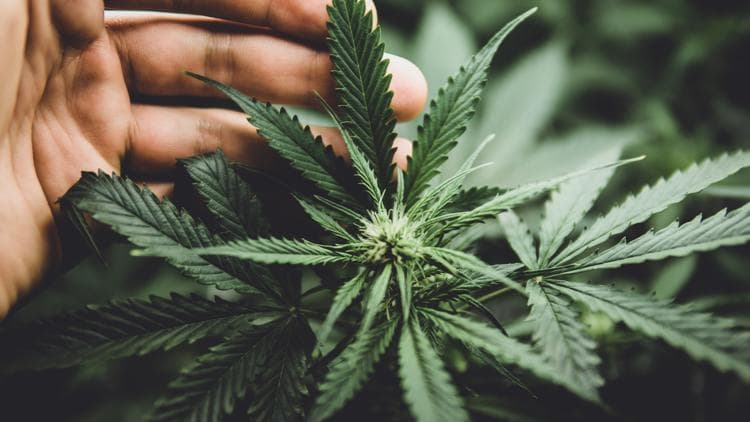
Photo via WCNC Charlotte
North Carolina's emerging hemp industry is mobilizing against HB 328, legislation that would impose strict limits on tetrahydrocannabinol (THC) content in hemp-derived products. According to reporting from WCNC Charlotte, the House is preparing to vote on the bill, which supporters argue is necessary for consumer protection but which hemp businesses contend would effectively eliminate their legal operations overnight. For Charlotte-area retailers and distributors who have built operations around federally compliant hemp products, the measure represents an existential challenge.
Industry stakeholders argue the proposed cap would create a regulatory vacuum that benefits illegal operators rather than legitimate businesses. By making legal hemp products uncompetitive or unavailable, the bill could push consumers toward unregulated black market alternatives with no quality oversight or consumer protections. This regulatory flip could particularly impact small Charlotte-area retailers who have invested in compliant inventory, point-of-sale systems, and community relationships based on the current legal landscape.
The hemp sector's concerns highlight the broader challenge of regulating emerging industries in North Carolina. As the legislature considers HB 328, business leaders are urging policymakers to distinguish between consumer safety measures and policies that eliminate legitimate commerce. For the state's hemp businesses—from cultivation operations to retail locations—the outcome of this legislative session could determine whether the industry survives in North Carolina or migrates to neighboring states with more favorable regulatory frameworks.