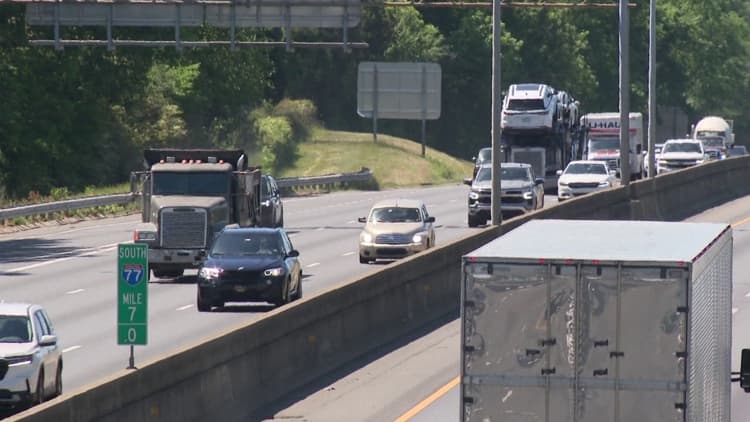
Photo via WCNC Charlotte
North Carolina's latest budget has cleared the way for the State Bureau of Investigation to deploy artificial intelligence-powered cameras across all state-maintained roadways, according to WCNC Charlotte. The initiative grants law enforcement expanded tracking capabilities on highways and secondary roads throughout the state, positioning the SBI to monitor vehicle movements in real time. For Charlotte-area businesses reliant on logistics and transportation networks—from distribution centers along I-85 to supply chain operations—this development introduces new operational considerations.
Law enforcement agencies view the program as a significant crime-fighting tool, particularly for tracking suspects and monitoring traffic violations across North Carolina's extensive road network. However, privacy advocates have raised concerns about mass surveillance implications and the potential for overreach without adequate oversight mechanisms. Business leaders, especially those in industries sensitive to data collection practices, are watching how the program will be implemented and what safeguards will protect proprietary information during transportation operations.
The authorization reflects a broader national trend of integrating AI into public safety infrastructure, though questions remain about data retention, access protocols, and long-term privacy standards. For Charlotte's business community, understanding the scope and limitations of this surveillance capability will be essential as companies navigate compliance requirements and operational planning on North Carolina roads.