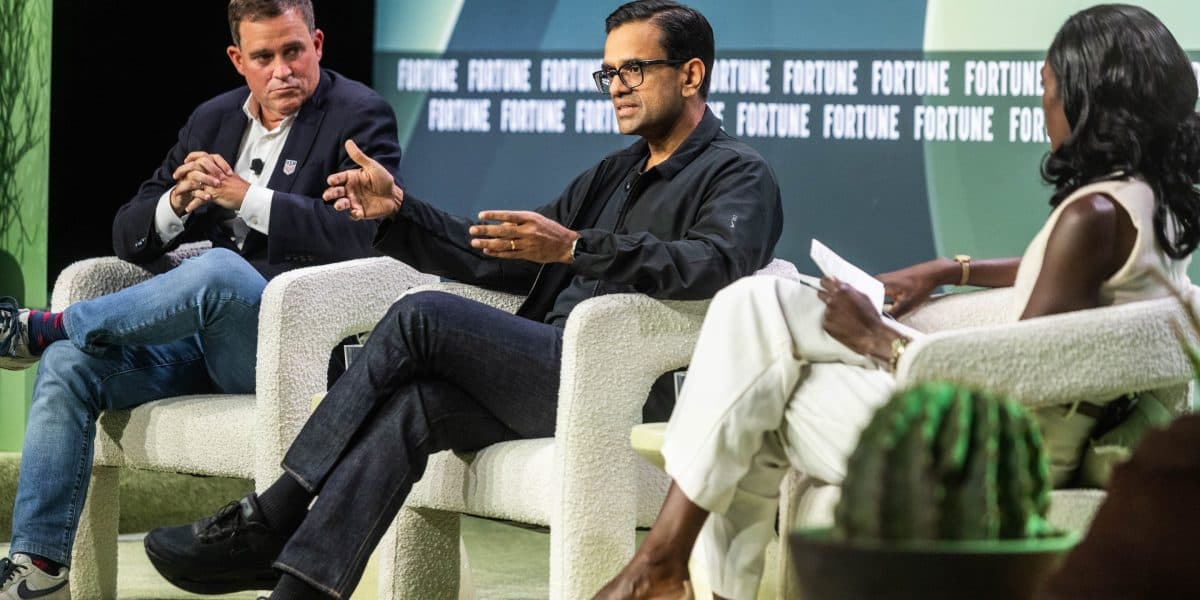
Photo via Fortune
According to Fortune, executives at Nike and U.S. Soccer are emphasizing the scale of preparation behind the upcoming 2026 World Cup, with six years of jersey design work and four years of operational readiness planning preceding the four-week tournament. Despite concerns about ticket distribution and overall event readiness, both organizations remain focused on a singular objective: competitive success.
The partnership between Nike and U.S. Soccer underscores how major sporting events require coordinated strategy across multiple business functions, from product development to operations management. For Charlotte-area companies in apparel, logistics, or sports management, this case study demonstrates the importance of long-term planning and cross-organizational alignment when stakes are highest.
Chief operating officers from both organizations have publicly stated that years of groundwork reflect the magnitude of the World Cup opportunity. The investment in design, planning, and operational infrastructure suggests that major sporting events demand the kind of detailed preparation and resource allocation that mirrors complex business operations across other industries.
As the tournament approaches, success will depend on whether the extensive preparation translates into results both on the field and in execution. For business leaders tracking international event management and large-scale partnerships, the Nike-U.S. Soccer model illustrates how forward-thinking planning can position organizations to navigate logistical challenges while pursuing ambitious goals.