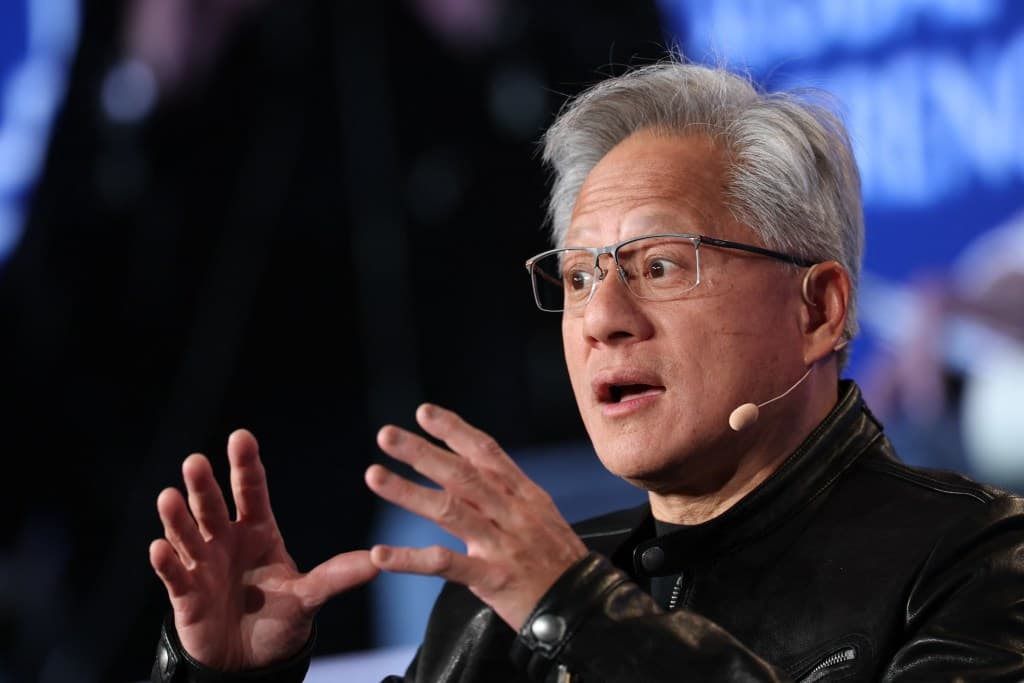
Photo via Entrepreneur
Nvidia Chief Executive Jensen Huang recently departed from typical commencement speech fare with a contrarian message about artificial intelligence and employment. Rather than reinforcing widespread anxieties about AI-driven job displacement, Huang offered a more nuanced perspective on how the technology will reshape the workforce. According to Entrepreneur, his remarks at Carnegie Mellon University challenged graduates to reconsider their assumptions about AI as a threat to their career prospects.
For Charlotte-area professionals and business leaders navigating rapid technological change, Huang's message carries particular relevance. The region's growing technology sector—from banking operations to emerging software startups—faces ongoing questions about workforce adaptation and skills development. As companies across industries integrate AI tools, understanding leadership perspectives on talent and employment becomes critical for local hiring managers and career professionals alike.
Huang's contrarian stance suggests that rather than eliminating opportunities, AI may create new categories of work while transforming existing roles. This perspective aligns with observations from many industry analysts who note that technological revolutions historically displace certain jobs while generating demand for new skill sets. For Charlotte businesses investing in AI capabilities, this framing underscores the importance of workforce training and professional development programs.
As the Charlotte business community continues evaluating AI's role in operations and strategy, executives and emerging professionals would benefit from examining how leading technologists like Huang view the transition period ahead. The conversation extends beyond Silicon Valley concerns—it directly impacts local hiring strategies, employee retention, and the region's competitiveness in attracting tech talent.