Photo via FreightWaves
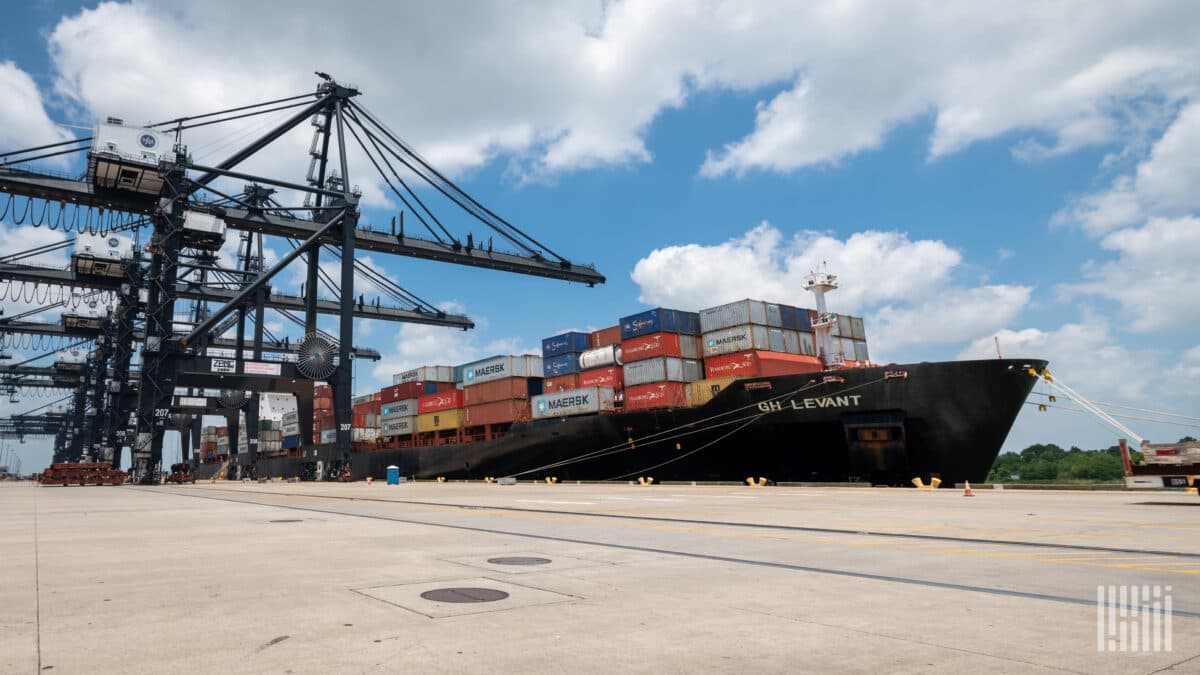
Ocean freight rates are climbing as the logistics industry heads into peak shipping season, creating fresh headwinds for businesses that depend on international imports. According to FreightWaves, the combination of rising costs and persistent delays in transit times is intensifying pressure on supply chain operations across multiple sectors.
For Charlotte-area retailers and manufacturers—particularly those in furniture, textiles, and consumer goods—higher ocean rates could directly impact procurement costs and profit margins. Companies that haven't locked in favorable contracts for the second half of the year may face unexpected expenses as demand for shipping capacity increases heading into the fall and holiday shopping seasons.
The logistics challenges are compounded by transit delays that show no signs of abating. Longer voyages and congested ports mean businesses need to plan shipments further in advance, tying up working capital and complicating inventory management during a critical sales period.
Supply chain leaders in the Charlotte region should reassess their shipping strategies and consider renegotiating contracts or exploring alternative logistics partnerships. Those who can adapt quickly to changing freight costs and build flexibility into their supply chains will be better positioned to weather the volatility ahead.