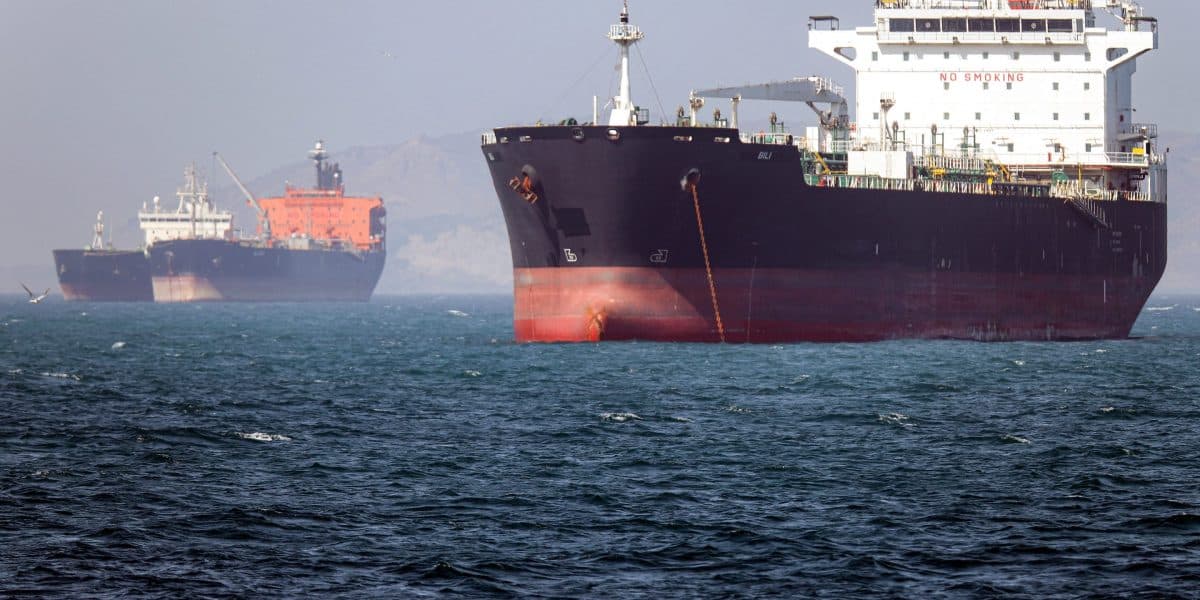
Photo via Fortune
Crude oil prices experienced a significant pullback this week as optimism grew around diplomatic negotiations involving Iran and the reopening of the Strait of Hormuz, a critical global energy chokepoint. According to Fortune, the global Brent crude benchmark dropped as much as 5.2% to trade near $98.12 per barrel, while West Texas Intermediate crude fell to approximately $92 per barrel. The decline reflects market expectations that increased oil supplies could flow into global markets if current negotiations progress.
For Charlotte-area businesses dependent on energy costs and transportation, falling crude prices could provide some relief in the coming months. Companies across logistics, manufacturing, and retail sectors have faced elevated operating expenses tied to fuel surcharges and energy costs. A sustained decline in oil prices could translate to reduced shipping costs, lower heating and cooling expenses, and potentially moderate consumer prices on goods—factors that directly impact local business competitiveness and margins.
The Strait of Hormuz, through which roughly one-third of seaborne oil trades globally, has been a flashpoint for geopolitical tensions. Any reopening or normalization of shipping through this critical waterway would reduce supply constraints and ease concerns about energy availability. For North Carolina companies with international supply chains or energy-intensive operations, such developments could reduce uncertainty around future costs and logistics planning.
While the prospect of lower oil prices appears positive short-term, Charlotte business leaders should monitor how sustained energy cost reductions translate into broader economic activity. Energy sector investments, shipping companies, and transportation-dependent businesses may adjust their strategies in response to market shifts, making it prudent for regional executives to review their own fuel and commodity hedging strategies accordingly.