Photo via FreightWaves
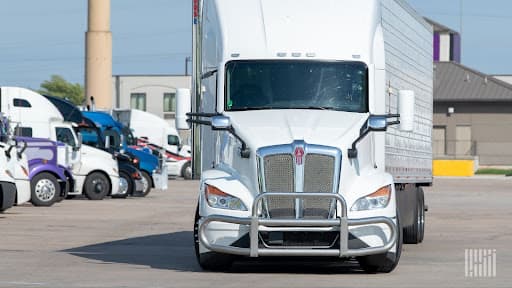
For fleet operators and independent truckers in the Charlotte region, one of the most consequential business decisions—whether to own or lease vehicles—cannot be made on acquisition cost alone. According to FreightWaves, the tax treatment of each option creates dramatically different financial outcomes depending on your specific situation, making professional guidance essential before committing capital.
The ownership versus lease calculation depends heavily on factors including your business entity type (S-corp, LLC, sole proprietorship), your annual taxable income level, and how closely North Carolina's tax code aligns with federal tax law. These variables create different deduction opportunities and depreciation schedules that can shift the financial advantage significantly from one option to the other.
Charlotte's logistics sector—anchored by the region's growing distribution hub status—includes numerous owner-operators and small fleet companies facing this decision regularly. What appears cheaper on a monthly basis may not account for tax deductions available to owners, while leasing provides operational flexibility and predictable expenses that some businesses prioritize over long-term asset appreciation.
Given the complexity of vehicle tax treatment, business operators should consult with a tax professional familiar with trucking operations and North Carolina's specific requirements before deciding to purchase or lease. The wrong choice could cost thousands annually, while the right structure—tailored to your business model and income profile—can provide meaningful tax advantages.