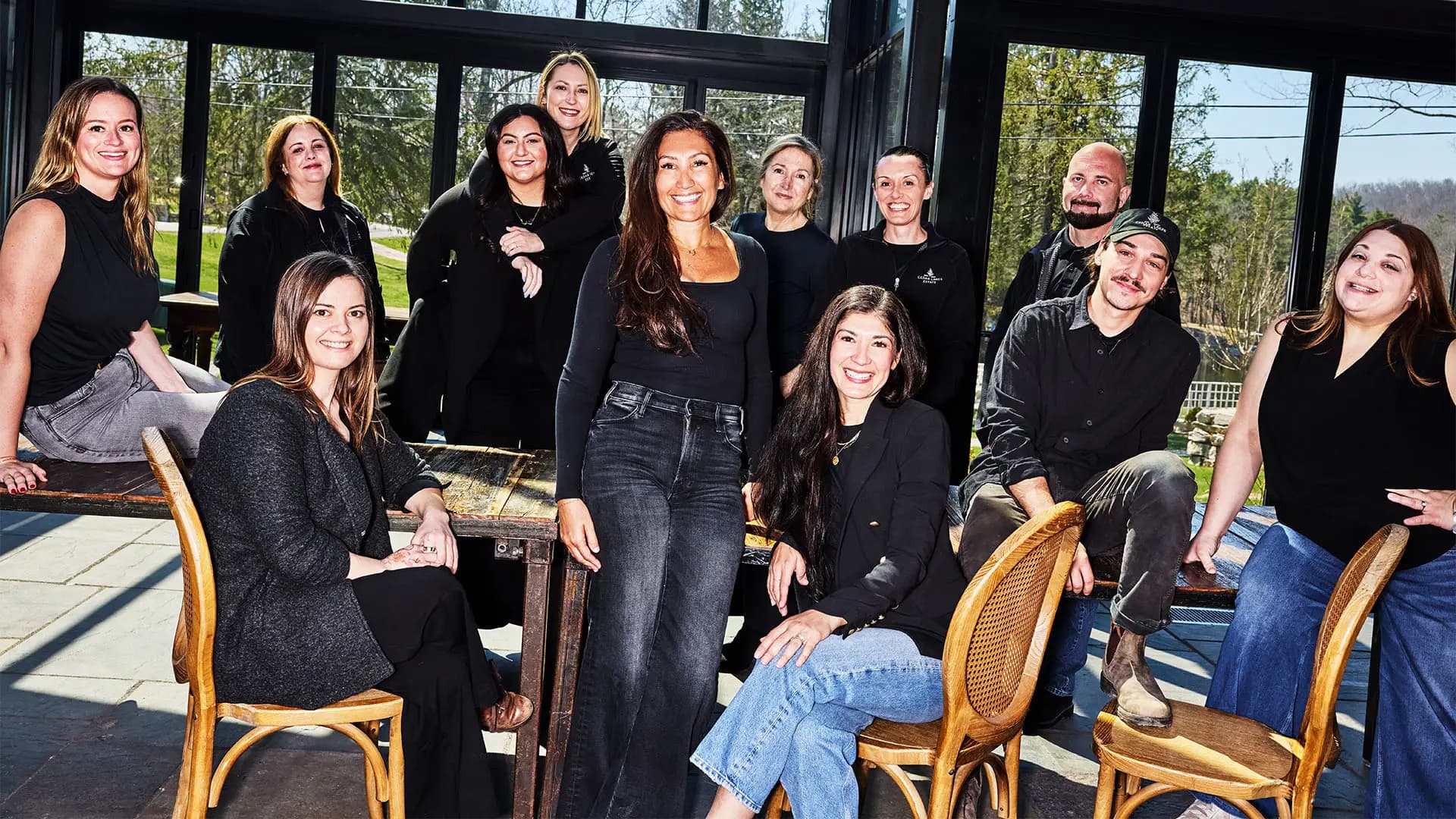
Photo via Inc.
In an increasingly competitive talent market, companies are testing unconventional retention strategies to keep experienced employees engaged. According to Inc., one New York luxury wedding venue has implemented a program that disables employee emails for three months while continuing to pay them—essentially offering a paid sabbatical to long-tenured staff. The practice represents a radical departure from traditional employee benefits and raises intriguing questions about workplace culture and retention in service industries.
For Charlotte's thriving events and hospitality sector, where venues compete fiercely for skilled coordinators, planners, and operational staff, such programs merit consideration. The region's growing wedding and conference industry depends heavily on experienced professionals who understand client expectations and can manage complex logistics. Employee burnout is a documented challenge in hospitality, and sabbatical programs could address turnover costs that experts estimate can reach 50-200% of an employee's annual salary.
The sabbatical model operates on a straightforward premise: long-term employees need restorative breaks to prevent burnout, and companies benefit when those employees return refreshed and re-engaged. By completely disconnecting employees from work communication during their leave, the venue ensures genuine rest rather than the half-engaged "vacation" many workers experience while monitoring emails. This approach acknowledges that some benefits—renewal and perspective—can't be purchased through traditional compensation.
Charlotte business leaders in hospitality, event management, and other service-heavy industries should evaluate whether paid sabbaticals align with their retention goals and company culture. While not every organization can afford three-month absences, scaled versions—such as extended paid time off after five or ten years of service—could deliver similar morale and retention benefits at lower operational cost. As the war for talent intensifies, creative benefits that address employee well-being may prove as valuable as salary increases.