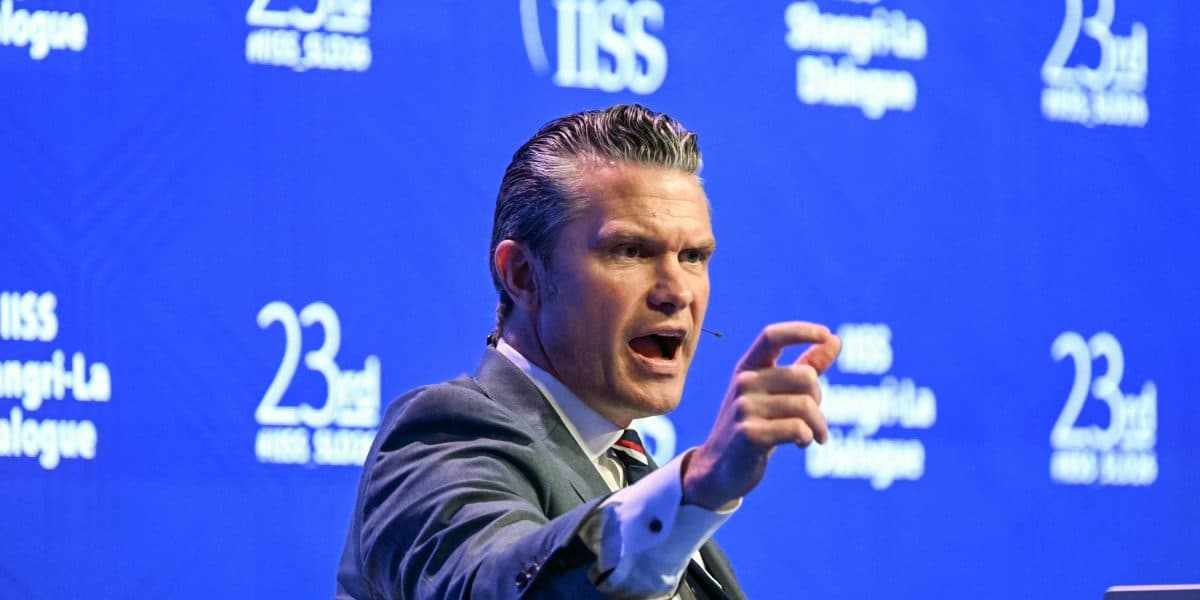
Photo via Fortune
The Pentagon's messaging strategy toward Taiwan is undergoing a notable shift, according to Fortune. During the recent Shangri-La Dialogue, Defense Secretary Hegseth notably avoided public mention of Taiwan—marking the first time in over a decade a Pentagon chief has taken this approach during the prominent regional security forum. This departure from decades of diplomatic messaging suggests a recalibration in how the U.S. military communicates about the contentious geopolitical issue.
For Charlotte's business community, particularly those with supply chain ties to Asia-Pacific markets, shifts in U.S.-Taiwan rhetoric carry real implications. Many regional manufacturing and technology firms depend on stable trade relationships and predictable diplomatic messaging. A more muted public position on Taiwan could signal either a pragmatic diplomatic recalibration or a controversial retreat from longstanding policy positions—both scenarios worth monitoring for their impact on regional commerce.
The broader context matters: Taiwan remains a critical node in global semiconductor and electronics supply chains that feed American manufacturing and innovation sectors. Charlotte-based companies in logistics, advanced manufacturing, and technology should pay close attention to how this messaging shift evolves, as it may signal changing administration priorities regarding China relations and Indo-Pacific trade strategy.
Business leaders should track how this rhetorical shift translates into concrete policy changes affecting tariffs, supply chain regulations, and trade partnerships. The coming months will likely reveal whether this represents a temporary diplomatic adjustment or a fundamental repositioning of U.S. priorities in the region—both scenarios could reshape opportunities and risks for Charlotte's trading partners and investors with Asian market exposure.