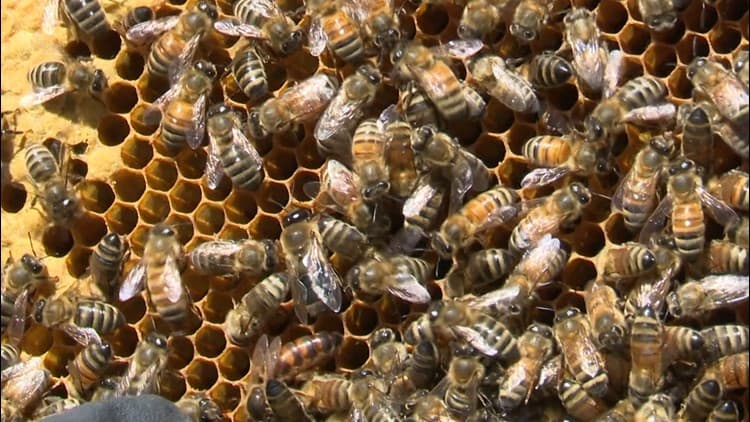
Photo via WCNC Charlotte
Charlotte-area beekeepers are sounding an alarm about the declining health of honeybee colonies, with some operations reporting devastating losses in short timeframes. According to WCNC Charlotte, local beekeepers attribute these die-offs primarily to pesticide poisoning and the pressures of ongoing regional development. One beekeeper reported losing 15 of 20 colonies within a single week due to chemical exposure, underscoring the acute threat facing the industry.
As Charlotte continues to experience rapid growth and suburban expansion, natural foraging areas for honeybees are disappearing at an accelerating rate. The combination of chemical pest management in landscaping and development projects is eliminating both food sources and safe habitat for these critical pollinators. This trend has broader implications for local agriculture, ornamental landscaping, and food production that depend on honeybee pollination services.
For Charlotte's agricultural and landscaping sectors, the decline in bee populations presents a business challenge that extends beyond beekeeping operations. Companies reliant on pollination services may face increased costs or supply constraints if colony losses continue. Industry stakeholders and local beekeepers are increasingly advocating for development practices and pest management strategies that better account for pollinator health in the Charlotte region.