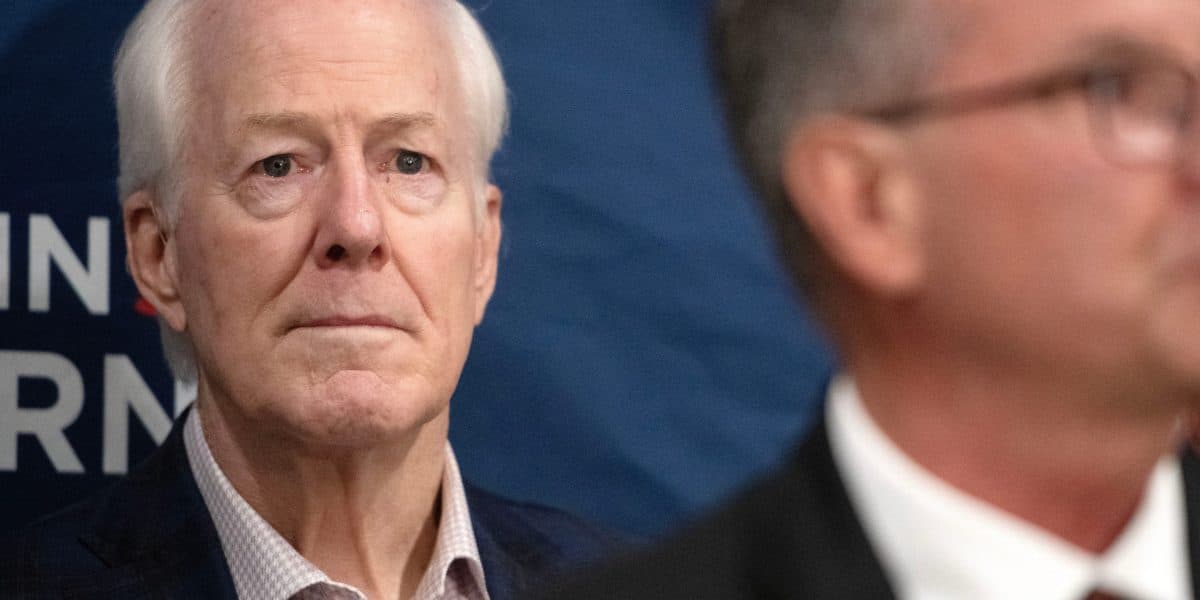
Photo via Fortune
The 2024 Senate race in Texas underscores a growing trend in American politics: the intensifying loyalty tests facing established political figures. According to Fortune, Senator John Cornyn's decades-long career is being challenged by a significant spending disparity, with over $109 million in campaign advertising directed against the five-term incumbent. For Charlotte business leaders watching from North Carolina, this race illustrates how political instability at the federal level can create uncertainty in regulatory policy, trade relations, and investment strategies.
The underlying dynamic reveals a broader shift in how political networks operate. When prominent officials face criticism from party leadership, it sends ripple effects through business communities that depend on stable policy environments. Charlotte's banking sector, manufacturing operations, and energy companies all benefit from predictable legislative relationships in Washington. Disruptions to these relationships can influence everything from tax policy to infrastructure funding that affects regional economic development.
Business executives across the Southeast are watching these political realignments closely. The outcome of high-stakes Senate races determines committee assignments, legislative priorities, and access to federal resources. For Charlotte-based firms with government contracts or heavy regulatory oversight—particularly in finance, energy, and defense—understanding these political shifts is essential to long-term planning and risk management.
As the 2024 election cycle intensifies, business leaders should consider how political instability might affect their operations, supply chains, and stakeholder relationships. Whether through trade policy changes, regulatory shifts, or funding reallocations, federal politics increasingly influences local business strategy. Staying informed about these national dynamics helps Charlotte organizations anticipate and prepare for potential economic headwinds.